
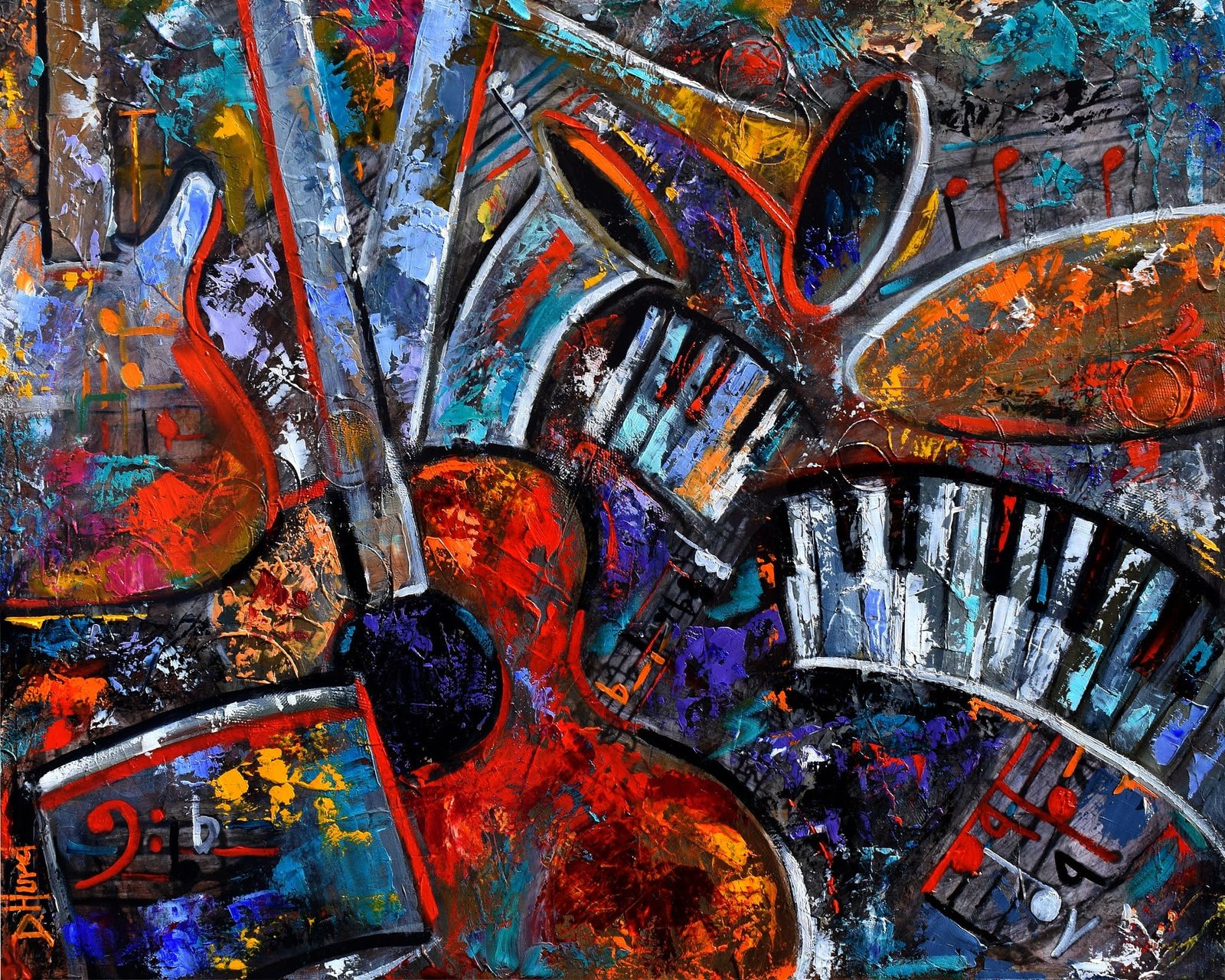
Chandigarh, May 21: Music, more than just a collection of sounds, is an invisible force that has the power to shift emotions, calm the mind, and awaken memories buried deep within. From joyful melodies that lift the spirit to melancholic tunes that mirror heartbreak, music touches the human soul in a way few other things can. Across centuries and cultures, it has remained a constant companion in both celebration and sorrow—quietly working as therapy, expression, and reflection.
Scientific studies continue to confirm what many instinctively know: music can instantly change your mood. A sad song can bring tears within minutes, while an upbeat rhythm can make you tap your feet and forget your stress. The brain responds to music by releasing dopamine—the “feel-good” chemical. It activates areas linked with emotion, memory, and pleasure, creating an almost immediate impact on one’s psychological state.
Music therapy has even become a recognized form of treatment for conditions like depression, anxiety, PTSD, and Alzheimer’s. According to neuroscientists, music helps regulate the autonomic nervous system, slowing heart rate, lowering blood pressure, and reducing the production of stress hormones like cortisol. In clinical settings, listening to or creating music can assist patients in reconnecting with lost memories or finding calm in the middle of emotional storms.
But beyond medical science and psychology, music’s most powerful work may lie in how it speaks to the soul. Music has no boundaries. A melody can speak what words cannot. People often turn to music when they cannot express their feelings—when grief is too raw, or love too overwhelming. In such moments, a single song becomes a voice, an anchor, or even a friend.
Moreover, a person’s taste in music often reveals the inner layers of their identity. The genres, lyrics, instruments, and even the tempo that one prefers can reflect emotional depth, personality traits, and life experiences. A person drawn to classical music might seek harmony and introspection, while someone who loves jazz may value freedom and complexity. Those who enjoy heavy metal or dark ambient may not necessarily be aggressive or brooding, but perhaps they’ve found in that intensity a mirror of emotions that aren’t easily spoken.
The diversity of musical taste is deeply tied to how individuals process the world around them. Music becomes a mirror to the soul—not just a pastime. It exposes vulnerabilities, aspirations, and emotional truths. In many ways, we are what we listen to.
In a world full of chaos, where spoken language often fails to connect hearts, music becomes a universal language. It bridges silence, soothes wounds, and brings people together without needing translation. From lullabies that comfort infants to anthems that unite nations, music shapes human experience at every stage of life.
In the end, music is not just sound. It is emotion sculpted into rhythm. It is memory, medicine, and identity all wrapped into one. And for many, it remains the purest form of healing—one note at a time.
