
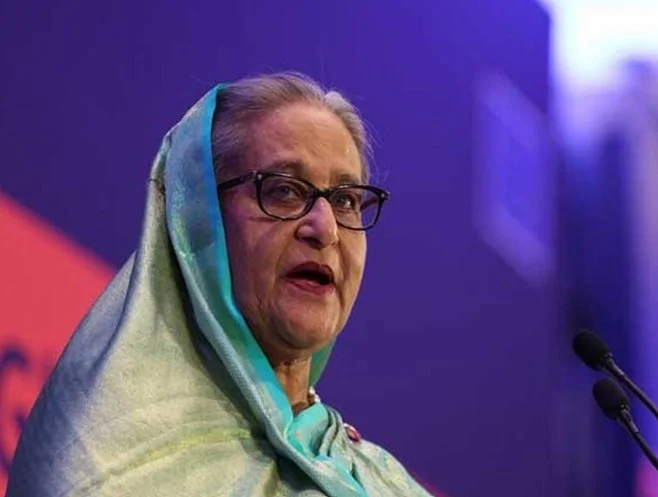
DHAKA, Aug. 4 — Bangladesh’s International Crimes Tribunal (ICT) on Sunday launched the in absentia trial of former Prime Minister Sheikh Hasina for crimes against humanity linked to the violent crackdown on last year’s student-led protests that ultimately led to her ouster.
Chief Prosecutor Tajul Islam, appointed by the interim government, described Hasina as the “nucleus of all crimes”, calling for the maximum penalty in the opening statement. The charges stem from the suppression of the Students Against Discrimination (SAD) movement, which triggered a wave of unrest between July 15 and August 15, 2024, resulting in the deaths of up to 1,400 people.
Hasina fled Bangladesh on August 5, 2024, the day her Awami League government was toppled, and is believed to be residing in India. The tribunal also named former home minister Asaduzzaman Khan Kamal and former Inspector General of Police Chowdhury Abdullaah Al Mamun as co-accused. While Kamal is also being tried in absentia, Mamun is in custody and has agreed to turn approver.
The prosecution plans to present testimonies from injured victims and eyewitnesses in the coming days, building its case around the alleged state-sanctioned killings and torture ordered by the Hasina government during the SAD-led protests.
The trial marks a historic moment in Bangladeshi politics. It is the first instance of the 77-year-old Hasina being formally tried for crimes committed while in power. Last month, she was sentenced to six months in jail in absentia in a contempt of court case — her first conviction since leaving office.
The current interim government, led by economist Muhammad Yunus, has formally requested India to extradite Hasina and Kamal. As of now, New Delhi has not responded.
Meanwhile, anti-government sentiment continues to simmer, with supporters of the National Citizen Party (NCP) and the BNP’s student wing staging separate rallies in Dhaka ahead of the first anniversary of the July Uprising. The newly launched NCP unveiled a 24-point manifesto at the Central Shaheed Minar, marking its formal political debut.
The ICT proceedings have opened a new chapter in Bangladesh’s transitional justice process, as the nation reckons with the violent fallout of one of its most turbulent political periods in recent history.
