
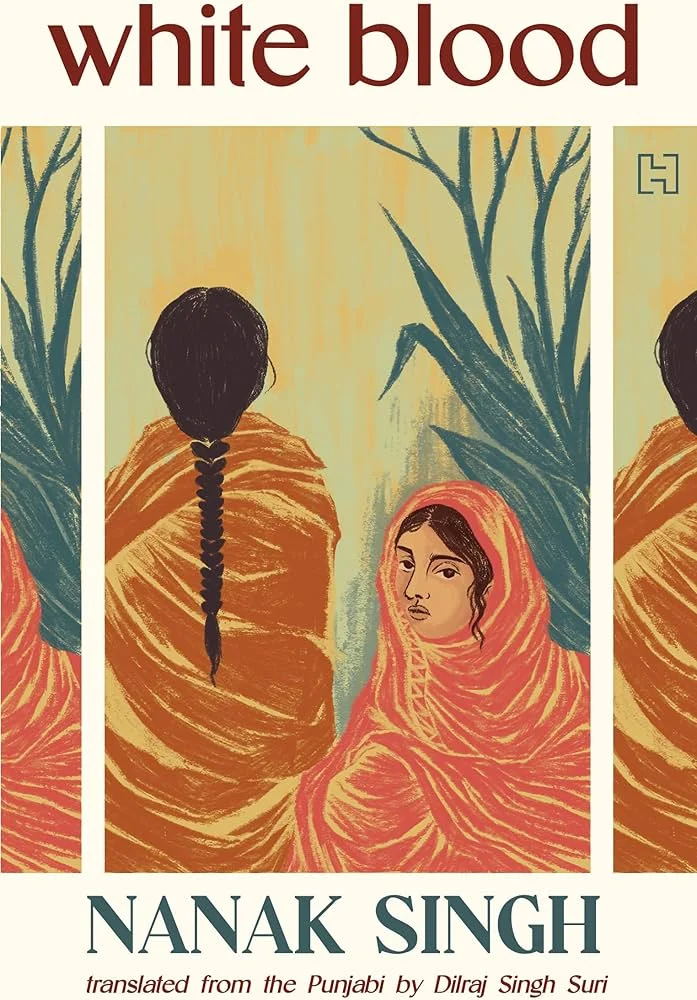
Chandigarh, Nov 8: Originally published in 1932, Chitta Lahu (Punjabi: ਚਿੱਟਾ ਲਹੂ) by celebrated novelist Nanak Singh is a profound social commentary that lays bare the moral decay and apathy within society. The title, which translates to White Blood, serves as a powerful metaphor — suggesting that the “red corpuscles” of vitality, compassion, and courage have drained out of the collective bloodstream of the people.
Through his storytelling, Singh captures a period of deep social and political unrest in colonial Punjab, using his characters to mirror the numbness and moral exhaustion of society under oppression. His critique is not confined to the political class but extends to the everyday individual who has grown indifferent to injustice.
The novel’s universal themes of social stagnation and the loss of moral strength earned it wide recognition, including a Russian translation by Natalia Tolstaya (née Terentyeva) — a testament to its international relevance. Decades later, Nanak Singh’s grandson, Dilraj Singh Suri, translated the work into English under the title White Blood, introducing new readers to this timeless Punjabi classic.
Chitta Lahu remains a striking reminder of how societies lose their vitality when conscience fades — a message as urgent today as it was nearly a century ago.
