
The cascading cancellations at IndiGo this week can be traced to a single turning point: the enforcement of India’s new Flight Duty Time Limitation rules, which sharply tighten how long pilots can fly and how much they must rest. With the rules coming into force just as IndiGo ramped up its winter schedule, a structural staffing gap turned into a full-blown operational breakdown.
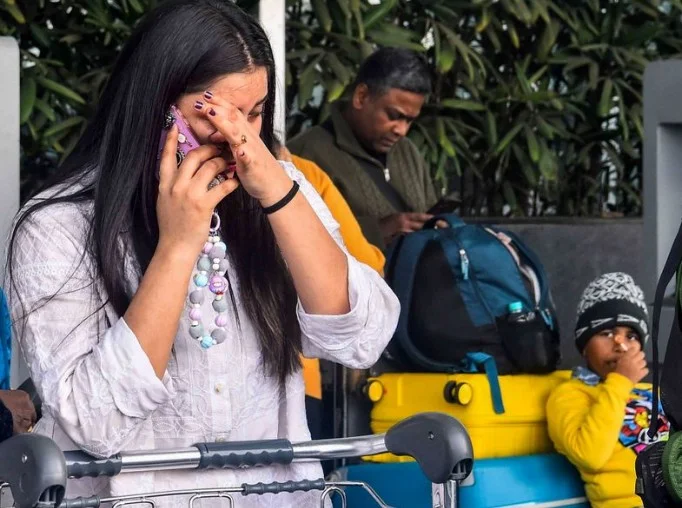
IndiGo has cancelled over 1,000 flights in four days, leaving passengers stranded in Delhi, Hyderabad, Bengaluru and other major hubs. Pilot unions say the airline failed to plan for the new requirements, accusing management of maintaining “lean crews” and freezing hiring despite knowing the rules were imminent.
“The schedules were built for the old system, not the new one,” a senior commander said. “When the changes took effect, pilots simply ran out of duty hours.”
What changed under the new regime
Compared to the old FDTL framework, the revised system imposes:
- Stricter fatigue-risk management, requiring longer recovery periods.
- Sharply reduced night landings, from six to two per week.
- Higher weekly rest, limiting how many consecutive days pilots can operate.
- Duty-time caps of 8 hours daily, 35 weekly, 125 monthly, 1,000 annually.
- Mandatory rest equal to twice the previous duty time, and at least 10 hours each day.
For IndiGo, which relies heavily on red-eye flights and tightly packed rotations, these rules forced an immediate rebuild of its rosters. Sources say more than a thousand IndiGo pilots became unavailable at once because their rest clocks reset under the new system.
A senior official at the DGCA said the agency has temporarily withdrawn one clause — prohibiting substitution of weekly rest with leave — to ease the crunch, but warned this is only a short-term measure.
The crisis deepened when a weekend A320 software advisory delayed dozens of flights past midnight, pushing pilots into longer rest windows and reducing crew availability even further. Winter operations, already dense, left little room to recalibrate schedules.
IndiGo’s scale made recovery harder. “When you run more than 2,000 flights a day, a small disruption becomes a major collapse,” an aviation analyst said. Airports reported overcrowding and passengers waiting for hours with limited information on rescheduled flights.
Unions argue that hiring has lagged behind growth. “IndiGo froze pay, delayed hiring and rostered aggressively, assuming the old rules would continue,” one union representative said.
On the political front, the mass cancellations have drawn criticism in Parliament, with demands that the government review IndiGo’s dominant market share.
The Centre has directed airlines to stabilise operations and ensure refunds for affected travellers, but the overall recovery may take time. As one senior pilot put it, “The entire system has to be rebuilt — and that cannot be done overnight.”
