
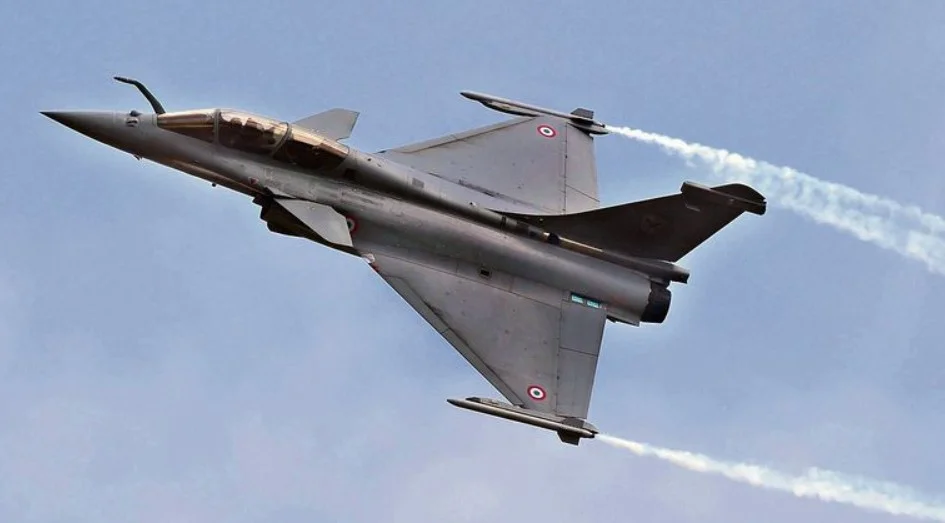
New Delhi, Feb 12: The Defence Acquisition Council (DAC) has cleared a series of major procurement proposals worth approximately Rs 3.60 lakh crore, headlined by the purchase of 114 Rafale fighter jets for the Indian Air Force. Chaired by Defence Minister Rajnath Singh on Thursday, the council’s “Acceptance of Necessity” (AoN) marks the first formal step in a massive modernization drive aimed at addressing critical capability gaps in India’s aerial and maritime wings.
The proposed Rafale acquisition, which follows the successful induction of 36 such jets earlier, will be executed under a “Make in India” framework. Under the plan, 90 of the 114 aircraft are expected to be manufactured domestically through a partnership between French aerospace major Dassault Aviation and an Indian firm. This strategic move is intended to enhance self-reliance, with indigenous content projected to reach up to 60 percent as technology for airframes, engines, and avionics is transferred.
“The procurement of MRFA will enhance the capability of undertaking air dominance roles across the spectrum of conflict and significantly boost the deterrence capabilities of IAF with long range offensive strikes,” the Ministry of Defence noted in an official statement.
The deal is expected to gain final approval from the Cabinet Committee on Security (CCS) ahead of French President Emmanuel Macron’s state visit from February 17 to 19. Officials mentioned that expanding the existing Rafale fleet will significantly lower long-term maintenance and training costs, especially with a dedicated MRO facility already operational at the Ambala Air Force base.
Beyond the fighter jets, the DAC approved the procurement of six additional Boeing P-8I long-range maritime surveillance planes for the Indian Navy. These aircraft, which have played a pivotal role in monitoring movements across the Himalayas and the Indian Ocean, are expected to bolster the Navy’s anti-submarine warfare and maritime strike capabilities.
The council also gave the green light for the acquisition of High Altitude Pseudo Satellites (HAPS), advanced unmanned platforms that operate in the stratosphere for persistent reconnaissance. These systems are noted for being more cost-effective than satellites and do not require rocket launches. Additionally, the approval includes SCALP combat missiles, anti-tank mines, and the overhaul of T-72 tanks and BMP-II infantry combat vehicles to ensure the military remains combat-ready.
