
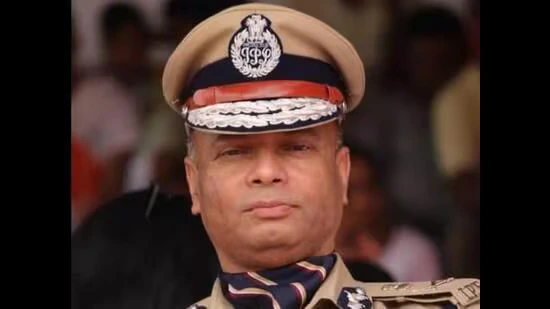
Chandigarh, Nov. 5 — Haryana Police launched Operation Trackdown on Wednesday, a 16-day campaign to track, arrest, and prosecute fugitives involved in recent shooting cases, officials confirmed. The operation, set to continue until Nov. 20, introduces a systematic accountability structure across police ranks.
Director General of Police OP Singh outlined that police units must compile lists of the most dangerous offenders and swiftly use legal provisions such as bail cancellation, organised crime charges, and seizure of crime-related assets. “Those absconding in gun-related offences must be apprehended without delay,” Singh said. “Suspects yet to be identified should be traced using investigative techniques and intelligence, while known fugitives must be caught ‘from the depths’.”
The DGP’s instructions also cover offenders on bail. Updated criminal history sheets should guide bail cancellation proceedings if the accused remain active in crime. Singh further instructed that organised crime provisions be invoked in cases of networked criminal activity and assets allegedly acquired from crimes must be identified and seized.
Responsibility for implementing these measures has been clearly delineated. SHOs and DSPs must ensure that their “worst 5” offenders are in custody, while district and zonal leadership, including SPs, DCPs, and CPs, are accountable for the “worst 10” list. The STF will oversee the statewide “worst 20” list and coordinate major arrest operations. The directive emphasises that preventing fresh crimes and holding offenders accountable for past offences is the responsibility of officers at every level.
Inspector General of Police, Crime, Rakesh Arya, has been tasked with overseeing coordination of the operation across districts and special units. Citizens are encouraged to provide tips directly to him at +91 90342 90495, with assurances that their identities will remain confidential.
The campaign also aims to leverage collaboration with neighbouring states and union territories — Punjab, Rajasthan, Himachal Pradesh, Jammu and Kashmir, Delhi, and Chandigarh — to enable pursuit, verification, and custody transfers of fugitives.
The DGP’s directive underscores the importance of community engagement in crime prevention. Officers have been instructed to hold evening “mic-check” sessions at police stations and in community spaces to inform citizens about safety measures, the risks posed by predators, and how to protect children from drugs and exploitation. Schools are considered key partners in this outreach, with police meeting principals and headmasters to enhance child protection measures.
“The approach is not just reactive enforcement but proactive education, especially engaging young people and local institutions to build awareness about safety and dignity,” Singh said.
