
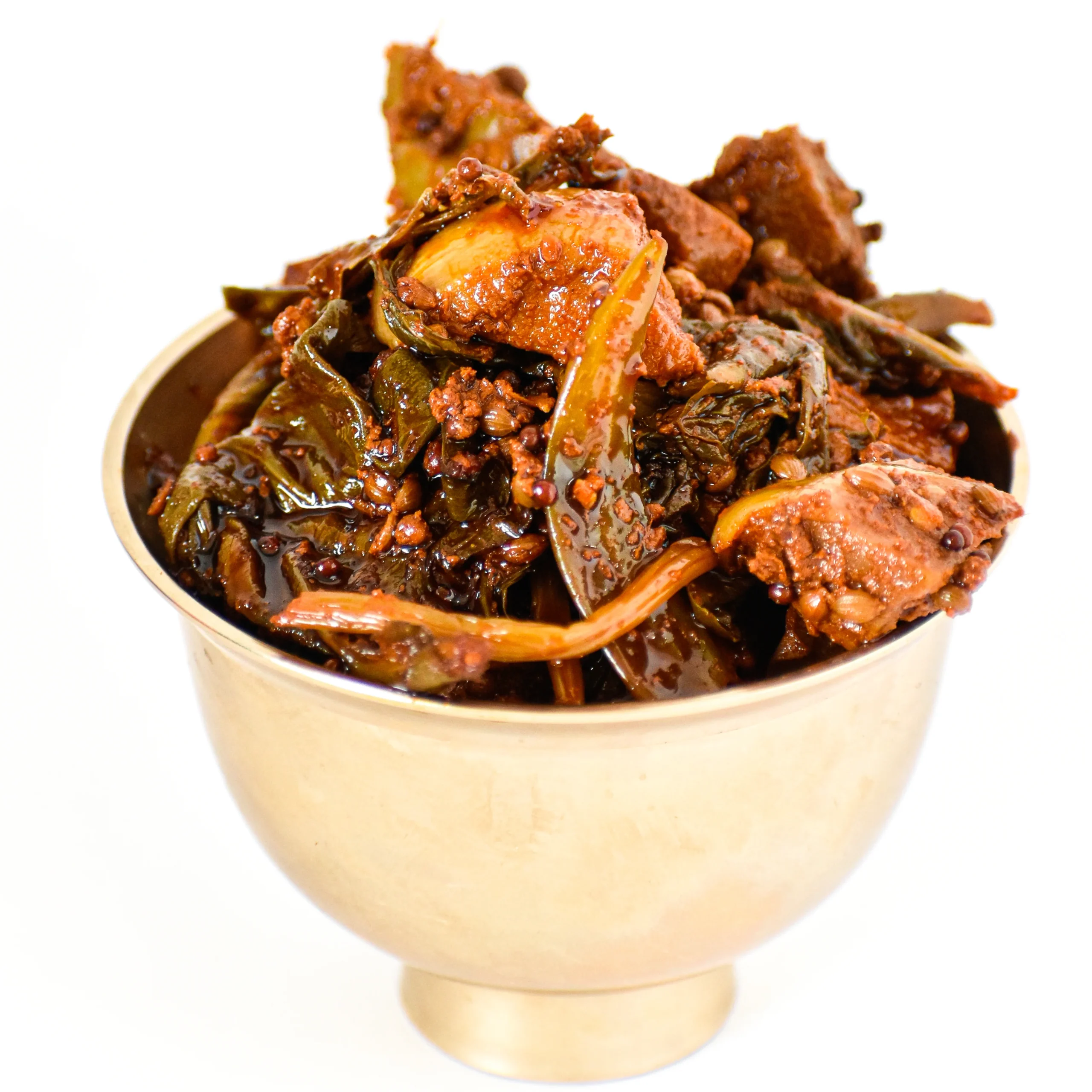
Srinagar, Dec 28: Kashmiri anchar, or pickle, is more than a side dish in Kashmiri households. It is part of a winter survival tradition that developed when heavy snowfall cut off movement and fresh vegetables were scarce for months.
Until the 1990s, Kashmir used to witness prolonged winters with heavy snowfall lasting nearly three months. Snow often piled up so high that doors of homes remained blocked, making daily supplies inaccessible. Families prepared and stored food in advance to last through the season. Among these preparations, Kashmiri anchar held a special place.
Alongside dried foods like gogji aarey (dry turnip), aeli haakh (dry gourd), tamatar haachi (dried tomatoes) and wangan haachi (dried brinjal), pickles provided flavour, nutrition and variety during long winters.
Traditional Kashmiri anchar is made using locally available winter vegetables and simple spices. Common ingredients include: Haakh (kale or collard greens),Carrot, Monj haakh (kohlrabi greens or stem), Ajwain (carom seeds), Radish, Local Kashmiri masalas, Mustard oil, Salt, Red chilli powder (optional, depending on household preference)
The vegetables are first washed thoroughly and cut into medium-sized pieces. They are then sun-dried for a short period to remove excess moisture. Drying helps preserve the vegetables and prevents spoilage.
Once dried, the vegetables are mixed with salt and left overnight so they release any remaining water. After this, spices like ajwain and local masalas are added. Mustard oil is heated until it reaches smoking point and then cooled slightly before being poured over the vegetable mixture.
The pickle is mixed well and stored in clean, dry glass or earthen jars. Traditionally, the jars were kept in sunlight for a few days to allow the flavours to develop fully. The anchar could then be stored for weeks or even months.
Kashmiri anchar was usually eaten with rice and simple meals, especially during harsh winters when cooking options were limited. Its sharp, spicy taste balanced otherwise plain food and added warmth during cold days.
While winters today are not as severe as they once were, the tradition of making Kashmiri anchar continues in many households. Families still prepare it at the onset of winter, passing the recipe down through generations.
The pickle remains a reminder of Kashmir’s climate, resilience and food wisdom — a simple preparation shaped by necessity, memory and continuity.
