
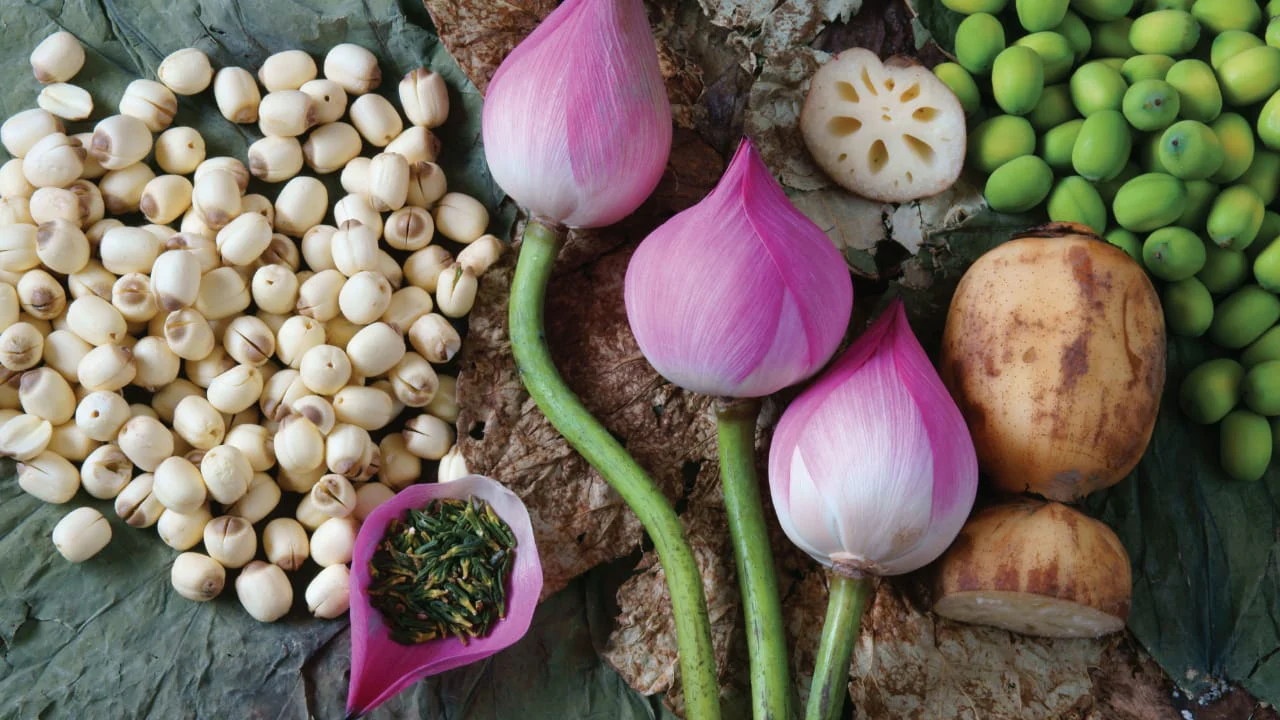
Chandigarh, August 20: Lotus seeds, more commonly called makhana in Indian households, are finding their way from traditional kitchens to global superfood lists. For generations, these small, white seeds — harvested from the lotus flower — have been roasted, fried, or added to curries and sweets. But in recent years, health experts and nutritionists have begun to underline their wide-ranging benefits, calling them a wholesome snack for today’s fast-paced lifestyles.
Nutritionists note that lotus seeds are rich in protein, fiber, calcium, magnesium, iron, and antioxidants, while being low in fat. “Makhana is one of those rare foods that is light on the stomach yet nutritionally dense. It provides satiety without adding excess calories,” said a Delhi-based dietician.
One of the most significant benefits of lotus seeds lies in weight management. Unlike fried chips or sugary snacks, a bowl of lightly roasted makhana with a pinch of salt offers crunch and satisfaction without guilt. Their high fiber content promotes a feeling of fullness, preventing overeating. Fitness enthusiasts across India have adopted them as a go-to pre- and post-workout snack.
Another advantage is heart health. Lotus seeds contain magnesium, which helps improve blood circulation and relax blood vessels, thereby reducing the risk of hypertension. The low sodium and high potassium combination supports healthy blood pressure levels, making them an excellent choice for people with heart conditions.
In traditional Ayurvedic practice, makhana is also known for its cooling properties, often prescribed for kidney health and detoxification. The antioxidants present in lotus seeds are believed to fight inflammation, delay premature aging, and boost immunity. “Regular consumption of lotus seeds can help in managing oxidative stress, which is a major factor behind chronic diseases,” noted a senior nutrition researcher.
For those dealing with diabetes, lotus seeds have a low glycemic index, meaning they release sugar slowly into the bloodstream. This helps control sudden spikes in blood sugar, making them a safe snack option for diabetics when consumed in moderation.
Calcium-rich, lotus seeds are also valuable for bone strength. Nutrition experts suggest that women, particularly post-menopausal, can benefit from adding makhana to their diet to reduce the risk of osteoporosis. Similarly, children and adolescents can gain from its protein content, which aids in growth and development.
The versatility of lotus seeds makes them appealing. They can be roasted with spices, added to kheer, or tossed into curries. The growing popularity has led to a surge in packaged and flavored versions available in the market — from peri-peri to caramel-coated varieties.
Despite their modern packaging, the message remains the same: lotus seeds represent a bridge between age-old food wisdom and contemporary nutritional science. As more people look for healthier alternatives to processed snacks, makhana has quietly stepped into the spotlight.
In the words of a fitness coach: “If there is one traditional snack that fits perfectly into modern health goals, it’s lotus seeds. They’re light, nourishing, and timeless.”
