
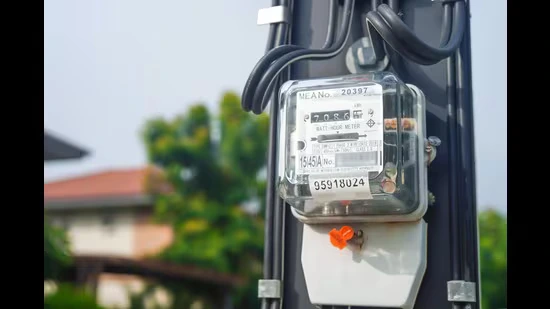
CHANDIGARH, November 19 —Signalling the Mann government’s push for clean governance, Punjab has abolished the requirement of a No Objection Certificate (NOC) for new electricity connections, turning what was once a months-long ordeal into a straightforward process.
For years, citizens struggled with layers of documentation, frequent visits to government offices and the NOC hurdle that became synonymous with delay and corruption. Applicants often found themselves moving between departments for weeks, waiting for approvals that rarely came on time. Farmers, new homeowners and elderly applicants were among those most affected.
The new policy removes those obstacles entirely. Applicants will now need only a Registry or Lease Deed and an identity document, with no scope for officials to demand anything else. The government called it a decisive step toward restoring public trust in basic services.
Cabinet Minister Sanjeev Arora said the reform was necessary to break a cycle where delays pushed citizens into adopting illegal “kundi connections.” “When the legal route becomes too hard, people take shortcuts. Then they face heavy penalties they cannot pay, and the problem grows,” he said. Arora added that the new system would make legal access faster and reduce the risk of tampering with power lines.
Officials said the decision reflects the administration’s broader promise of people-first governance. They described the move as a humanitarian measure aimed at reducing stress for families who had been burdened by outdated rules. “No NOC, no rounds of offices, no recommendations — just a clear and transparent process,” one official said.
The government said the new procedure is expected to particularly benefit rural households and farmers waiting for timely power supply to their fields. With the removal of bureaucratic hurdles, connections are expected to be issued faster across districts.
The Mann government framed the announcement as proof that change is not just promised but visible on the ground. According to the administration, the policy ensures that electricity can reach every household, shop and farm without the delays that once defined the system.
