
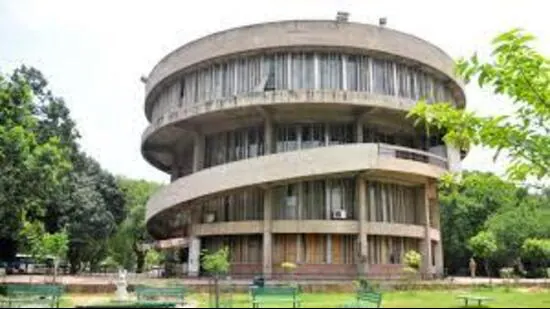
Chandigarh, Nov 1: The Union Government has, for the first time in nearly six decades, carried out a complete overhaul of Panjab University’s governing structure, replacing its elected Syndicate with a nominated body and sharply reducing the size of its Senate.
The reconstitution—done under the Panjab University Act, 1947—was described by senior officials as a “transition from political to academic administration.” The Graduate constituency has been abolished, and the Senate strength brought down from 90 to 31 members, including 18 elected, six nominated and seven ex-officio.
The 142-year-old university, founded in Lahore in 1882 and relocated after Partition, has seen its first such major shake-up since November 1, 1966, when the Syndicate was last constituted. Under the revised structure, the Chandigarh MP, UT Chief Secretary, and Education Secretary will serve as ex-officio members for the first time, joining senior Punjab officials in the governing setup.
Under the amended Section 13, the number of Ordinary Fellows is capped at 24. The reconstituted Senate will now include alumni nominated by the Chancellor, professors and associate professors elected from university departments, principals and teachers from affiliated colleges, and two Punjab MLAs nominated by the Speaker. The remaining members will be nominated by the Chancellor from among eminent personalities in public life and education.
“All elections of Ordinary Fellows will require the Chancellor’s approval,” said an official, adding that each term will last four years. Members losing their qualifying position will automatically cease to hold office, while the Vice Chancellor will settle any disputes over eligibility.
The university’s executive powers will continue to vest in the Syndicate, but its membership has been redefined. The Syndicate will now include the Vice Chancellor as Chairperson, the Higher Education Secretary, Government of India, Punjab and Chandigarh DPIs, one Senate member nominated by the Chancellor, and 10 members nominated by the Vice Chancellor on rotational seniority.
The Syndicate will also include several ex-officio dignitaries—the Punjab Chief Minister, Chief Justice of Punjab and Haryana High Court, Punjab Education Minister, Chandigarh Chief Secretary, Punjab Higher Education Secretary, UT Education Secretary and the Chandigarh MP—making it a high-powered decision-making body with representation from both the Union Territory and Punjab.
Officials said the reforms were implemented by the Union Ministry of Education’s Department of Higher Education, following the 2021 recommendations of a committee headed by the then PU Chancellor and Vice President M. Venkaiah Naidu. The panel—comprising the VCs of PU, Central University of Punjab and GNDU, along with former MP Satya Pal Jain—had submitted its report in 2022.
The Centre’s decision was finalised after current Vice President and PU Chancellor CP Radhakrishnan, who assumed charge in September, reviewed and cleared the committee’s proposals. The previous Senate’s term ended in October last year, and the university had been awaiting reconstitution since. Sources said the formal notification of the new governing structure is likely to be issued soon.
