
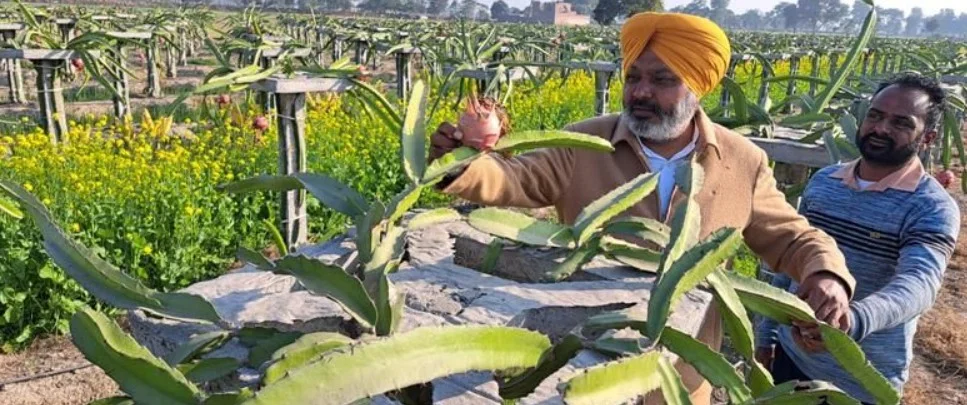
Chandigarh, Dec 9: Punjab’s villages are witnessing a quiet revolution under the AAP government, with policies designed to touch lives at the grassroots. From extensive road networks to accessible healthcare and education, these initiatives signal a deliberate shift toward development-driven governance.
The completion of nearly 45,000 kilometers of rural roads has dramatically improved connectivity, allowing farmers faster, cheaper access to markets and enabling communities to reach essential services. At the same time, government jobs and educational reforms are creating opportunities for rural youth, fostering economic stability and social mobility.
Healthcare reforms, especially Mohalla Clinics, have brought diagnostics and medicines to doorsteps, reducing the rural population’s dependence on far-off cities. Complemented by anti-drug campaigns and the construction of thousands of playgrounds, these measures not only curb addiction but also encourage youth engagement in productive and healthy activities.
These changes extend beyond mere infrastructure—they are shaping Punjab’s electoral landscape. The Zila Parishad and Block Samiti elections are expected to reflect voters’ preference for development-oriented governance, signaling approval for AAP’s “politics of work.” In rural Punjab, results will likely favor parties that have delivered tangible improvements to daily life, showing that policy impact at the grassroots can translate directly into political capital.
