
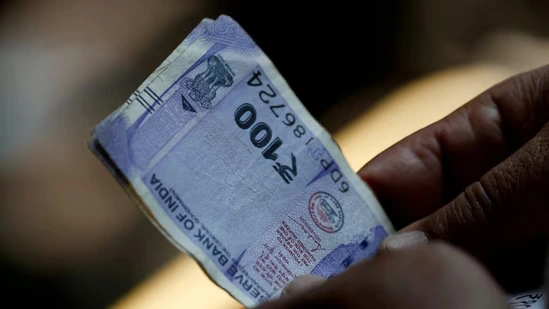
New Delhi, Jan 21: The Indian rupee plummeted to a historic low of 91.58 against the US dollar during early trading on Wednesday, marking a sharp 61-paise decline. This drop breached the previous record of 91.0750 set in mid-December 2025, with the local unit opening at 91.08 before quickly losing further ground.
A surge in dollar demand from domestic importers combined with a cautious global mood has fueled this downward trend. Experts suggest that investors are moving toward safe-haven assets, leaving emerging market currencies like the rupee vulnerable to significant fluctuations.
Forex traders pointed to shifting economic signals from the United States and growing geopolitical tensions as primary drivers for the currency’s weakness.
“Rising geopolitical uncertainty, including renewed US expansionary signals, has increased risk aversion and kept emerging market currencies under pressure,” a trader noted while observing the morning’s market volatility.
Market sentiment is also being shaped by the US Federal Reserve’s potential move to keep interest rates elevated for a longer duration. This outlook has strengthened US bond yields, making the dollar more attractive to global investors at the expense of other currencies.
Domestic factors are adding to the strain, as foreign portfolio investors continue to pull capital out of Indian equity markets. This steady exodus, along with a quiet performance in local stocks, has further impacted investor confidence across the board.
The demand for the greenback remains high among energy and metal importers. Because India relies heavily on imported crude oil, these consistent and large-scale dollar purchases put sustained pressure on the rupee’s valuation.
Despite the slide, the current strategy appears to favor market stability over defending a particular exchange rate. The central bank is widely seen as taking a balanced approach to manage the situation without exhausting foreign exchange reserves.
“Market participants believe the Reserve Bank of India is allowing a gradual depreciation to avoid draining forex reserves, intervening only to curb excessive volatility,” an analyst observed regarding the current fiscal environment.
While a weaker rupee makes imported goods more expensive and contributes to inflation, it provides a slight advantage to exporters who see better realizations. The gradual shift is intended to help the economy adjust to global headwinds more effectively.
The currency’s performance in the coming weeks will likely depend on new economic data from the US, fluctuations in international oil prices, and the pace of foreign investment flows into the country.
