
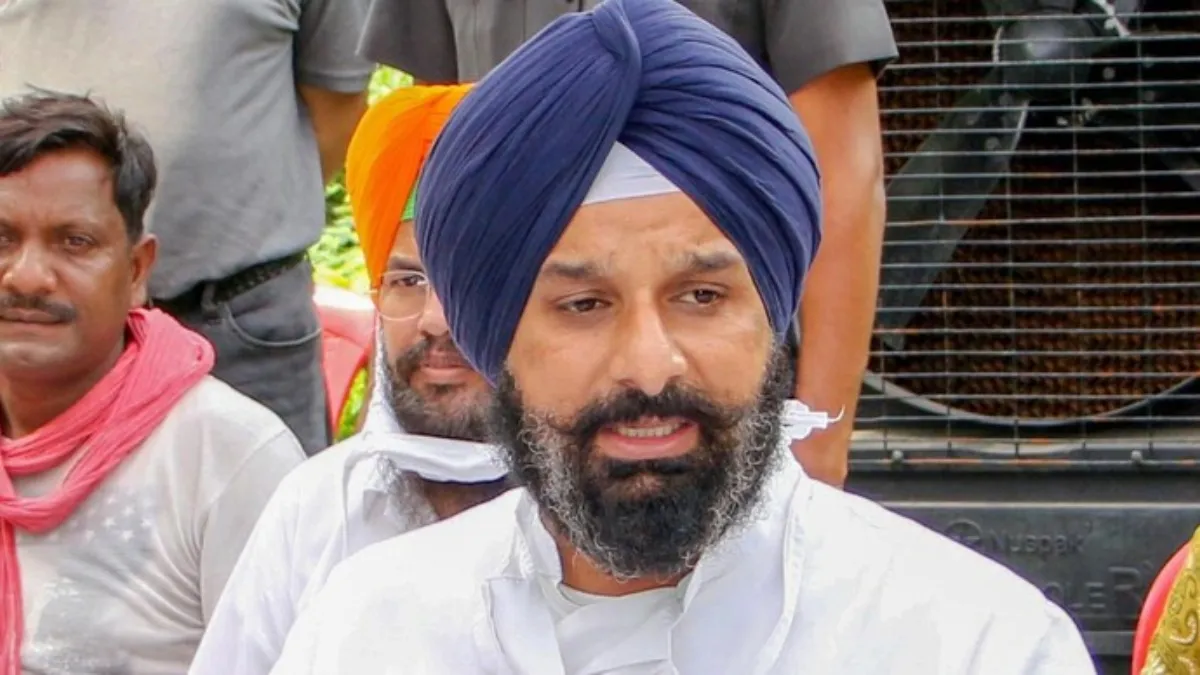
New Delhi/Chandigarh, Feb 2:The Supreme Court on Monday granted bail to Shiromani Akali Dal (SAD) leader and former Punjab minister Bikram Singh Majithia in a disproportionate assets case. The senior leader is set to be released after spending seven months in Nabha jail, providing a significant legal reprieve for the Akali leadership.
This judicial development follows a high-profile visit to the prison earlier on Monday by Dera Radha Soami Satsang Beas head Gurinder Singh Dhillon. The spiritual leader’s meeting with Majithia, which occurred shortly after Prime Minister Narendra Modi’s recent tour of Punjab, had already drawn intense interest across the state’s social and political landscape.
During his visit, the Dera chief described the interaction as a personal gesture rooted in long-standing family ties. Speaking to the media, Dhillon expressed his support for the former minister, suggesting that the legal challenges mounted against him lacked merit.
“Won’t you meet if your relative is in jail? All cases against him are false,” Dhillon stated, while maintaining that his conversation with Majithia was one shared between friends. While he declined to discuss specific details of their talk or speculate on the nature of the investigation, his presence was seen as a notable moment of support given the Dera’s vast following.
The spiritual head’s visit stood out as the jail administration had reportedly restricted access for several other senior Akali figures lately. It also followed a recent meeting between Majithia and SAD president Sukhbir Singh Badal.
The legal proceedings against the former minister involve a comprehensive investigation by the Vigilance Bureau into financial records and a subsequent chargesheet filed in a Mohali court. Despite the complexities of the ongoing cases, the apex court’s decision marks a turning point in his current legal journey.
While the Dera Beas traditionally maintains a quiet stance on political matters, the timing of the visit and the subsequent bail order have generated significant conversation. The interaction remains a point of interest for many who closely follow the intersection of social and administrative developments in the region.
