
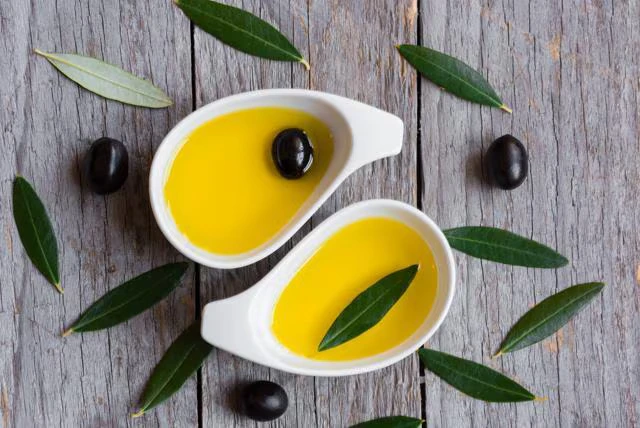
Chandigarh, Nov 9: For generations, mustard oil has been a kitchen staple across northern and eastern India. Known for its strong aroma and warming properties, it has been used not just for cooking but also for massages and home remedies. However, with growing awareness about cardiovascular health and global dietary research, olive oil has emerged as a superior alternative — a “liquid gold” that outperforms mustard oil on almost every health parameter.
The biggest difference lies in their fat composition. Olive oil, especially extra virgin olive oil, is rich in monounsaturated fats — the same heart-healthy fats that form the backbone of the Mediterranean diet. These fats help lower bad cholesterol (LDL) while maintaining or even increasing good cholesterol (HDL). Mustard oil, while containing some monounsaturated fats, also has higher levels of erucic acid, which some studies have linked to potential heart complications when consumed in excess.
Olive oil is loaded with natural antioxidants, particularly polyphenols and vitamin E. These compounds protect cells from oxidative stress, reduce inflammation, and support healthy ageing. In contrast, mustard oil has fewer antioxidant properties and tends to lose much of its nutritional value at high cooking temperatures.
Chronic inflammation is at the root of many modern diseases, including heart disease, diabetes, and arthritis. Olive oil’s anti-inflammatory compounds, such as oleocanthal, act like natural pain relievers, similar to mild doses of ibuprofen. Regular consumption has been shown to reduce the risk of strokes and heart attacks — benefits well documented by global research, including studies published in the New England Journal of Medicine.
Olive oil is lighter on the stomach and aids in better digestion, unlike mustard oil, which can cause irritation or heaviness for some people when consumed raw. It also supports liver function and gut health. When used topically, olive oil moisturises and nourishes the skin without clogging pores — one reason why it’s a key ingredient in natural skincare around the world.
While mustard oil has a high smoke point, making it suitable for deep frying, olive oil — particularly pure or light olive oil — can be safely used for sautéing, grilling, and even Indian cooking when temperature is controlled. Extra virgin olive oil is best used raw — for salads, drizzling over cooked dishes, or dips — preserving all its nutrients and flavour.
Countries with olive oil–based diets, such as Italy, Greece, and Spain, consistently report lower rates of heart disease and higher life expectancy. The Mediterranean diet, with olive oil as its core fat source, has been recognized by UNESCO as an Intangible Cultural Heritage of Humanity — a testament to its lasting health and cultural significance.
While mustard oil remains part of India’s traditional flavour palette, olive oil brings the advantage of science-backed health benefits — from heart protection and anti-ageing properties to digestive wellness. Substituting olive oil for mustard oil in your daily diet may not just change your cooking — it might change your long-term health story.
As nutritionists often say: “If food is medicine, olive oil is the prescription.”
