
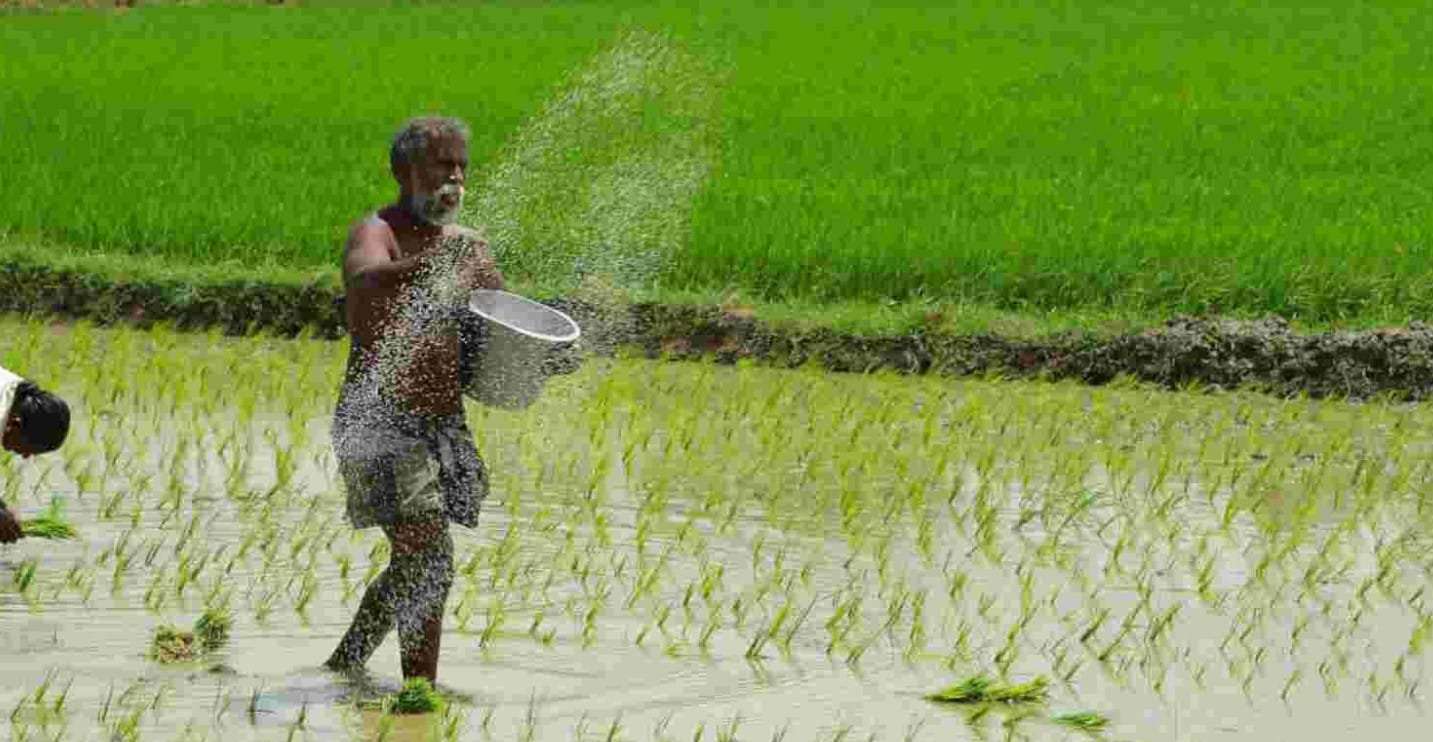
CHANDIGARH, DEC 30: India’s rise to the top of global rice production has brought export gains and policy praise, but farmers in Punjab and Haryana say the boom is draining groundwater and pushing cultivation costs to unsustainable levels.
While rice output and exports have surged, growers in the northern plains rely almost entirely on groundwater, making them vulnerable as aquifers shrink despite strong monsoon rains in recent years.
“Even after good rains, water levels are falling,” said Sukhwinder Singh, a Punjab farmer. “Each season, we spend more just to draw water.”
Producing one kilogram of rice consumes between 3,000 and 4,000 litres of water — significantly above the global average, according to agricultural economist Ashok Gulati. Government subsidies, including guaranteed prices and free or subsidised power, continue to favour rice over less water-intensive crops.
Uday Chandra, a South Asia politics expert, said the incentives discourage farmers from diversifying. “Subsidies that once ensured food security now lock farmers into water-heavy cropping,” he said.
In response, Haryana last year offered a subsidy of 17,500 rupees per hectare to encourage farmers to grow millets and other alternatives. However, the incentive applies for only one season and has failed to prompt large-scale change.
“At least five years of support are needed for farmers to switch crops,” Gulati said.
Punjab farmer Gurmeet Singh said growers are open to change if assured of price support. “We are willing to switch crops,” he said. “But the government must buy what we grow at support prices.”
India accounts for about 40% of global rice exports, making any shift in production significant for world markets. But experts warn that without policy changes, the cost of that dominance will continue to be borne by farmers and depleted aquifers.
