
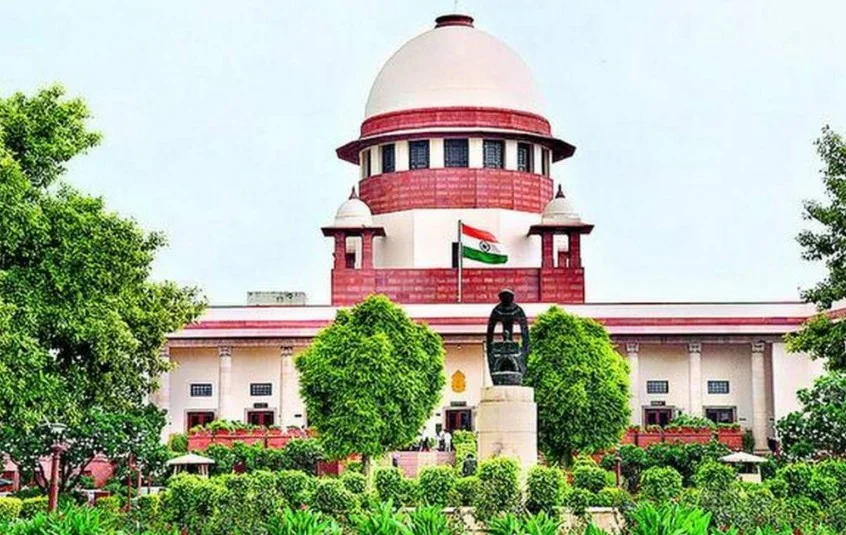
New Delhi, Feb 25: Chief Justice of India Surya Kant has declared that the Supreme Court will take action following the inclusion of a section on judicial corruption in a National Council of Educational Research and Training (NCERT) textbook. Speaking in court on Wednesday, the CJI asserted that the move appeared intentional and stated his commitment to maintaining the reputation of the legal system.
The Chief Justice noted that the entire Bar and Bench were concerned by the narrative presented in the Class 8 social science book. He requested stakeholders to wait as the court processes the matter, stating that he had already taken the necessary steps to address the issue.
The textbook in question was released on February 23 after a period of delay. It contains a specific segment claiming that while judges are bound by a code of conduct, there are significant issues regarding accountability and transparency.
“We are deeply disturbed by Class 8 students being taught that the judiciary is corrupt,” senior advocate Kapil Sibal asserted while requesting the court’s intervention.
In response, Chief Justice Kant affirmed, “We are aware of the issue and we will act.”
The curriculum features a quote from former CJI BR Gavai from July 2025, who noted that rebuilding trust requires transparent action. However, the current bench and senior advocates questioned the context and focus of the chapter. Senior counsel AM Singhvi wondered why judicial corruption was being singled out, stating that the institution was being targeted.
Beyond corruption, the chapter details the “long time” required to resolve legal disputes. It points out that some cases in the high courts have remained unresolved for over 50 years. The text mentions that nearly three-fourths of pending high court cases have been active for more than a year, describing the duration of litigation as the “real issue” facing the system.
