
CHANDIGARH, February 28, 2026: To modernize the state’s education system, the Punjab Government has announced the nationwide rollout of ‘Khed Pitara’ kits across government primary schools. The initiative targets the foundational learning stage, specifically children in the 3-to-8-year age bracket, to ensure a joyful start to their academic journey.
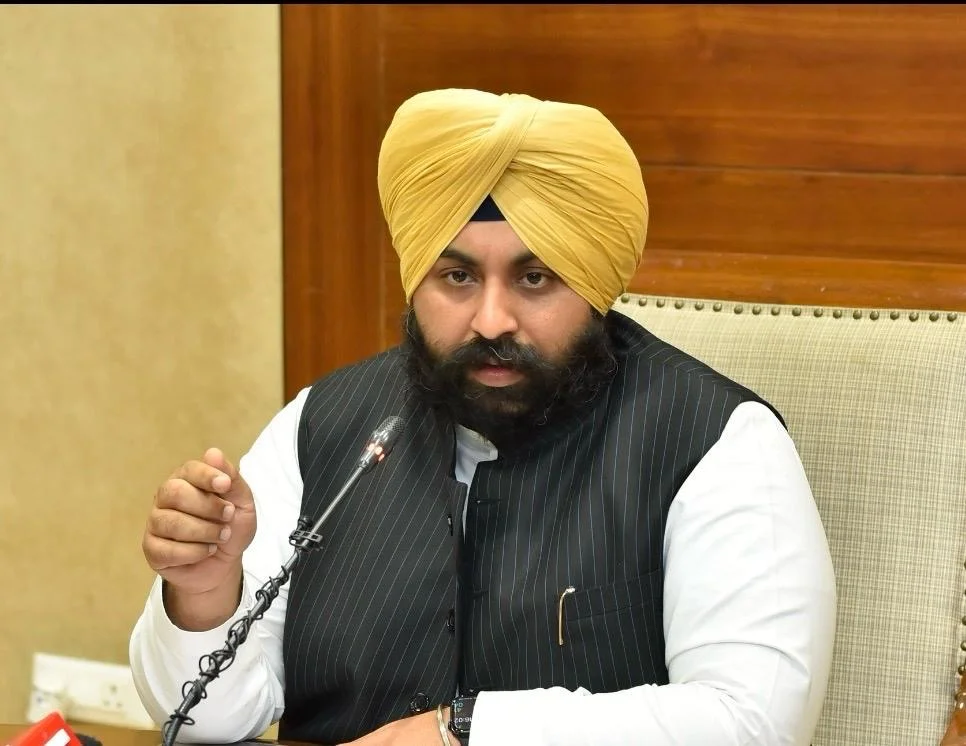
Education Minister Harjot Singh Bains declared that the real transformation of the education sector begins at the foundational level. He stated that the “Khed Pitara will ensure that children do not experience schooling as pressure, but as discovery, creativity and confidence-building.” The Minister noted that the ₹9.3 crore investment underscores a visionary approach to the state’s human capital.
The comprehensive kits contain interactive tools including flash cards, games, and teacher resource materials. By utilizing these hands-on activities, the government aims to address learning gaps early and reduce long-term academic disparities. The kits are scheduled to reach all 12,856 government primary schools across the state before the start of the new academic session on April 1.
“Investing in children aged 3 to 8 is investing in Punjab’s future for the next 20 years,” Bains maintained. He affirmed that the initiative moves classrooms away from passive learning toward collaborative tasks that make education natural and enjoyable. All materials have been developed in the regional language to ensure inclusive and meaningful engagement.
This project is the first of its kind to be implemented at such a scale in Punjab. The government maintained that by fostering curiosity and problem-solving abilities from an early age, it is preparing the next generation for emerging global opportunities. With the final work orders issued, the state is poised to implement a child-centered environment that promotes exploration over traditional rote learning.
