
Chandigarh, March 4: A deepening crisis in the Middle East has sent shockwaves through the global economy, causing oil and gas prices to soar as major production hubs and shipping lanes face unprecedented disruptions. European gas prices surged by as much as 40 per cent on Tuesday, following a similar spike the previous day, as the region prepares for a potential energy scramble.
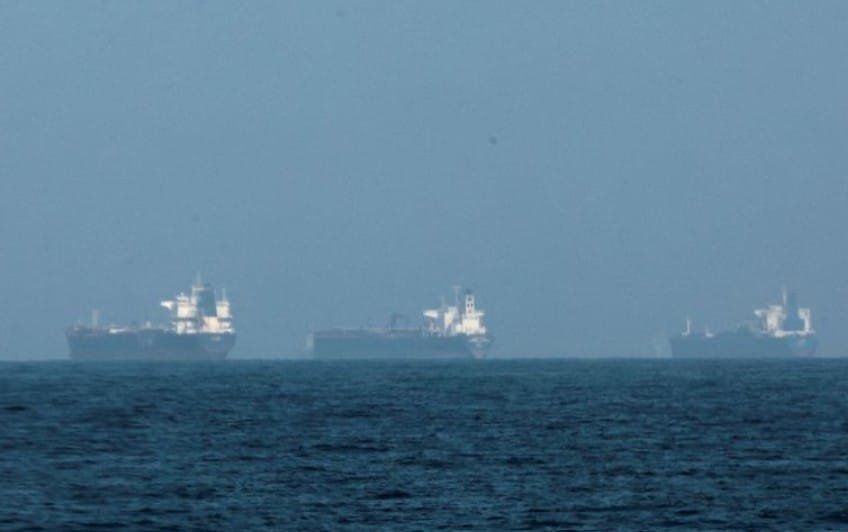
The closure of the Strait of Hormuz for a fourth consecutive day has left hundreds of tankers stranded near regional hubs such as Fujairah in the UAE. This bottleneck has crippled the flow of energy to customers in Asia and Europe, who are already grappling with the fallout of a cold winter and shifted supply chains.
Market analysts stated that the region, which provides nearly one-third of the world’s oil, is currently facing a production crisis. Iraqi officials declared that they have already cut over one million barrels of daily production from key fields. Furthermore, they asserted that deeper cuts are imminent if tankers cannot reach loading points.
In response to the escalating costs, the U.S. administration has moved to secure maritime trade routes. President Donald Trump asserted that financial guarantees would be provided to support trade in the Gulf. He also noted the possibility of military escorts for tankers to ensure the continued flow of goods through the volatile waterway.
The ripple effects have extended beyond the energy sector, with the prices of fertilizers, soy, and sugar also trending upward. In the United States, rising fuel costs have become a primary political concern, with gasoline prices exceeding $3 per gallon. Meanwhile, security experts are monitoring regional missile stockpiles as defense systems in Saudi Arabia and the UAE continue to intercept drones targeting critical infrastructure.
The situation remains fluid as Chinese refiners begin shutting units in response to crude shortages, and European nations look toward U.S. gas supplies to fill the void left by the halted Middle Eastern exports.
