
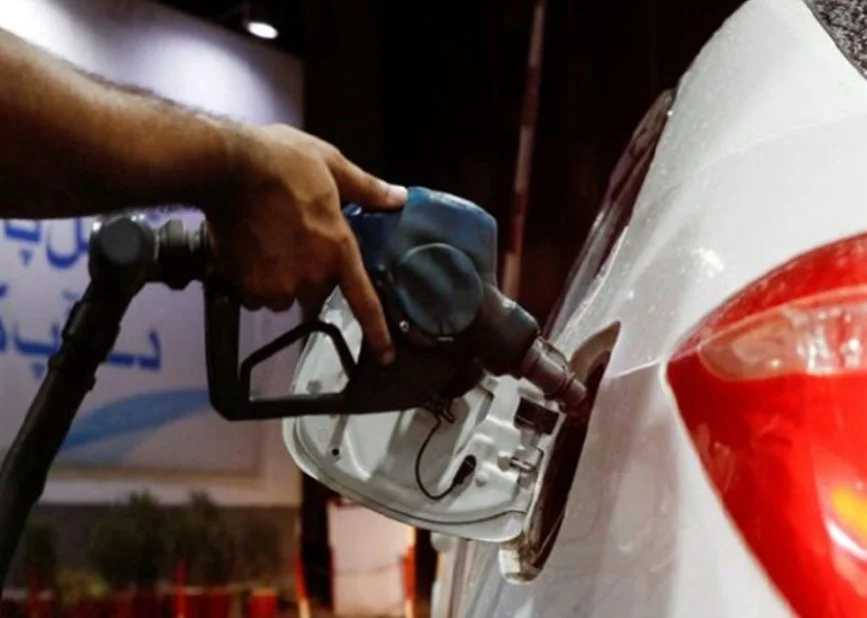
New Delhi, March 27: Centre on Friday amended the Central Excise Act to lower domestic fuel prices while curbing the outflow of petroleum products to foreign markets. The immediate reduction of excise duty by Rs 10 per litre for both petrol and diesel is expected to provide substantial relief at the pump. To ensure these stocks remain within the country, the Ministry of Finance revoked long-standing tax benefits previously enjoyed by private fuel exporters.
Finance Minister Nirmala Sitharaman declared that these measures were necessary in light of the current West Asia crisis. She maintained that the adjustment ensures adequate fuel remains available for domestic consumption. According to the Finance Minister, the government’s priority is to insulate the population from the impact of rising global prices.
The technical changes involve Section 37 of the Central Excise Act, 1944, and specifically bar exporters from utilizing tax rebate provisions for petrol, diesel, and aviation turbine fuel. By removing these incentives, the government has moved to discourage private entities from prioritizing international sales over local demand. Observers noted that the lack of a transition period underscores the urgency the administration feels regarding energy security.
Strategic exceptions were included in the notification to protect regional stability. Public sector oil companies supplying fuel to Nepal, Bhutan, Sri Lanka, and Bangladesh will continue to operate under the previous tax regime. This ensures that while the general export framework tightens, essential supplies to neighboring nations are not disrupted. The new regulations are now in force across all other sectors, impacting financial planning for major oil exporters effectively immediately.
