
Chandigarh, July 3: The Punjab Government has rolled out a comprehensive, school-based prevention framework designed to insulate adolescents from substance abuse by addressing mental health and peer pressure. The administrative drive integrates a scientific anti-drug curriculum with daily wellness practices across all government institutions. By focusing on empathy and structural support within classrooms, the Bhagwant Mann administration aims to mitigate adolescent vulnerabilities before addiction can take root.
Central to this strategy is a daily thirty-minute mindfulness session comprising breathing exercises and positive affirmations for students. The program follows a successful pilot study involving over two hundred schools, which demonstrated a measurable increase in emotional resilience among participants. Furthermore, the state has partnered with behavioral scientists and J-PAL South Asia to deliver structured lessons that utilize documentaries, debates, and quizzes to teach practical decision-making skills to lakhs of students.
Punjab Education Minister Harjot Singh Bains asserted that institutional collaboration is crucial for the long-term success of the youth welfare program. “Teachers have always played a role in the transformation of society and the CM-led initiatives against drug abuse are already bringing positive results. We have to realise that it is teamwork in which teachers or mentors play a central role,” the Minister declared. This collective effort has helped Punjab maintain its standing as a leader in national educational benchmarks while establishing new models for public health interventions.
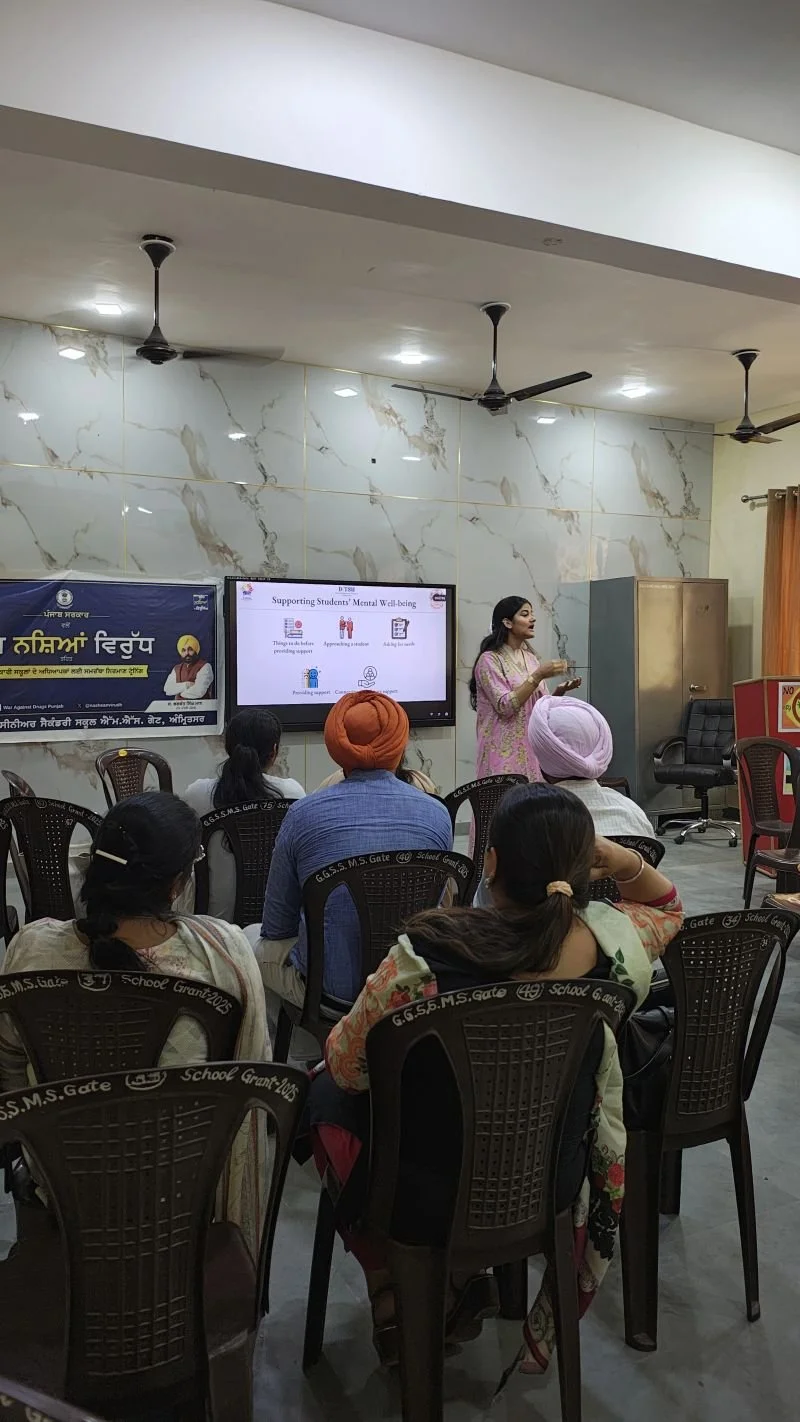
Resource allocation has focused heavily on capacity-building workshops for teachers, particularly in border districts where exposure risks can be higher. More than 3,000 educators in Amritsar alone have been trained to spot early behavioral shifts through a public health lens, with the vast majority reporting a clearer understanding of the link between emotional distress and substance use. Anonymous feedback channels have also been established on campuses to give students a secure option for seeking guidance.
Punjab Health and Family Welfare Minister Dr Balbir Singh maintained that protecting the younger generation remains a core priority for the state. “Every child saved from addiction is a family protected and a future secured. By making schools spaces where children build their confidence, resilience and life skills, the state is laying the foundation for a much healthier and stronger society,” the Minister affirmed. Local mentors, including government school teacher Balwinder Kaur, stated that active student participation in these new classroom exercises provides strong assurance for a healthier future.
