
WASHINGTON, Nov 13— President Donald Trump signed into law a government funding measure late Wednesday, officially ending the nation’s longest-ever shutdown after 43 days of partisan stalemate that left hundreds of thousands of Americans without pay and disrupted vital services.
The bill, passed by the House earlier in the day by a narrow 222-209 margin, had cleared the Senate on Monday. The shutdown — triggered by disagreements over the extension of an enhanced health care tax credit — had paralyzed Washington and strained relations between Republicans and Democrats.
“This shutdown should never have happened,” said Rep. Tom Cole, R-Okla., chair of the House Appropriations Committee. “They never achieve the objective that you announce.”
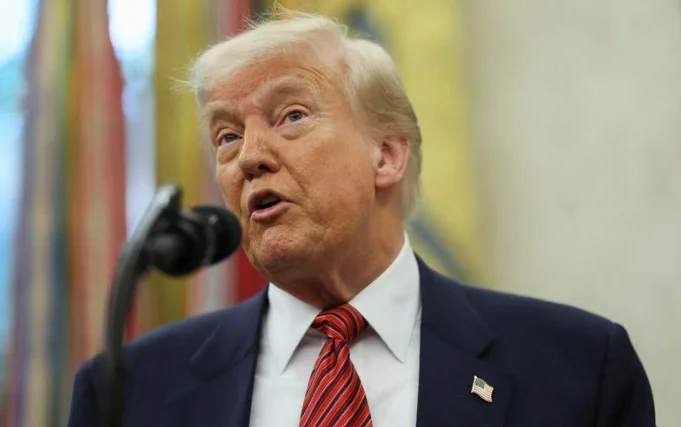
At the White House, Trump blamed Democrats for prolonging the crisis. “I just want to tell the American people, you should not forget this,” he said during the signing ceremony. “When we come up to midterms and other things, don’t forget what they’ve done to our country.”
Democrats had refused to support any spending bill that did not include an extension of the expiring tax credit that helps reduce premiums for Affordable Care Act plans. Republicans countered that the issue should be considered separately from government funding.
“We’re just getting started,” said House Democratic leader Hakeem Jeffries, vowing to continue pushing for the subsidies. “This fight is not over.”
House Speaker Mike Johnson accused Democrats of using “the pain generated by the shutdown to prevail in a policy dispute.” Democrats argued that Republicans had passed tax cuts favoring the rich while abandoning middle-class families.
“The bill before us leaves families twisting in the wind with zero guarantee of help paying for their health care,” said Rep. Jim McGovern, D-Mass.
The legislation, negotiated by a small group of senators, funds three annual spending bills and extends the rest of government operations until January 30. It restores the jobs of federal workers dismissed during the shutdown, ensures back pay, and protects them from additional layoffs through January.
The measure provides $203.5 million to bolster security for members of Congress and $28 million to safeguard Supreme Court justices. It also secures continued funding for key food aid programs under the Agriculture Department.
A new clause — allowing senators to sue if their electronic data are searched without notice — drew criticism from both parties. “That was dropped in at the last minute,” Johnson said. “I did not appreciate that.”
The compromise was reached after eight senators broke with Democrats, concluding that Republicans would not yield on linking the health care tax credits to the funding bill. Republicans pledged to hold a separate vote by mid-December, though its outcome remains uncertain.
Former Speaker Nancy Pelosi said Republicans were undermining access to health care. “All they have done is try to eliminate access,” she said. “The country is catching on to them.”
Without the extension, health insurance premiums could more than double next year, and over two million people might lose coverage, according to the Congressional Budget Office.
Republicans like Sen. Susan Collins, R-Maine, signaled some openness to extending the credits with limits, such as income caps. “I’m supportive of extending them with changes,” Collins said.
Democrats remain doubtful. “Republicans have wanted to repeal the health overhaul for 15 years,” said Rep. Rosa DeLauro, D-Conn. “That’s where they’re trying to go.”
Trump’s signature ended the immediate crisis but left deeper questions about governing, compromise, and the future of bipartisan cooperation in a sharply divided Congress.
