
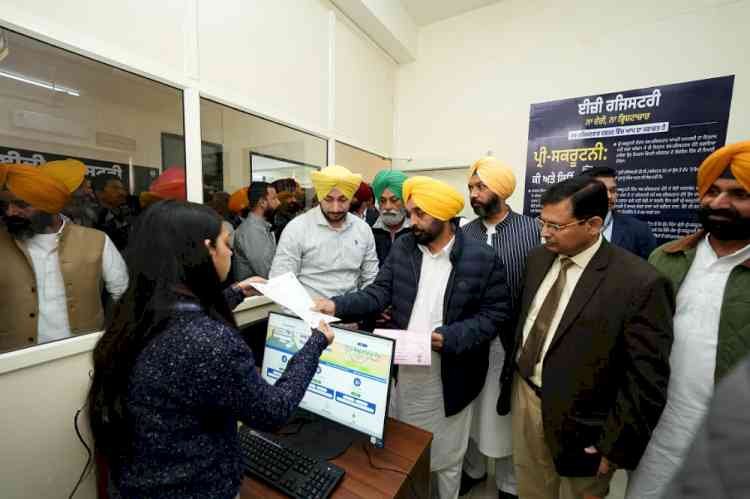
A society’s legal and economic fabric is fundamentally strengthened when ordinary citizens can secure, transfer, and record their property rights without facing overwhelming bureaucratic hurdles. For a long period, an unfortunate sense of anxiety and frustration lingered among thousands of homebuyers and property sellers across the state, who found the traditional deed registration process bogged down by complex paperwork, endless visits to sub-registrar offices, and a lack of clear transparency.
When essential public services are complicated by unnecessary administrative barriers, it breeds widespread public cynicism and opens the door for middleman exploitation. The historic rollout of the Easy Registry system directly confronts this long-standing challenge, introducing a pioneering administrative reform that establishes unprecedented simplicity, speed, and absolute clarity in property transactions across the state.
The immediate practical impact of this modern administrative transformation is highlighted by the creation of a seamless, paperless portal that allows citizens to manage the entire registration process from the comfort of their homes. By integrating advanced digital scheduling, online e-stamp duty payments, and automated verification of collector rates, the system effectively reduces a process that once took weeks down to a single, structured appointment.
This decentralized digital framework ensures that every applicant is treated with absolute equity, as slot allocations are generated through a transparent, first-come, first-served mechanism that completely eliminates external interference or favoritism. The historic shift toward instant digital document delivery stands as a powerful testament to a system that honors the precious time and hard-earned resources of its ordinary citizens.
Moreover, the long-term socio-economic value of this universal registry framework extends far beyond simple administrative convenience. By building a transparent database that automatically links property records with localized urban and rural land registries, the program permanently eliminates the root causes of fraudulent sales and double-allocations that historically tied up families in painful, decades-long legal disputes.
This absolute legal clarity encourages a highly secure investment environment, allowing ordinary homeowners to confidently use their registered properties to secure formal banking credits for business ventures or higher education. The progressive reduction of unnecessary documentation requirements further underscores a deep respect for consumer dignity. Ultimately, this monumental governance initiative demonstrates that when a forward-thinking administration uses simple digital technology to clear out bureaucratic stagnation, it restores foundational dignity to public administration and builds an incredibly strong foundation for public trust.
Read More: HOW THE COMPASSIONATE FLOOD RELIEF ARCHITECTURE SECURES PUNJAB’S RURAL HEARTLAND
