
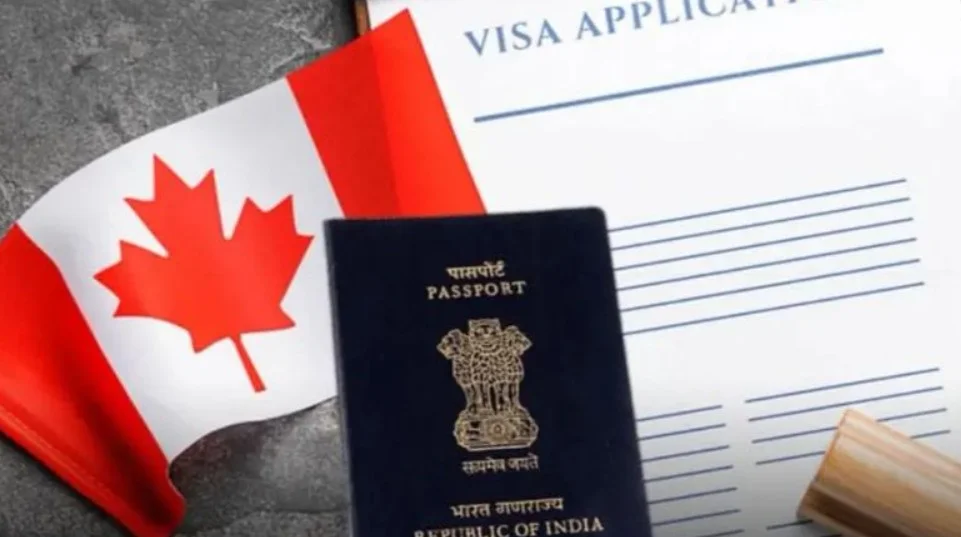
Ottawa, March 28: A new federal law has granted the Canadian government broader authority to cancel or suspend travel and work documents as part of an effort to streamline the national immigration system. Bill C-12, which came into force this week, allows the immigration minister to halt the processing of certain application categories in the interest of the public, while facilitating increased data sharing between provincial and federal departments.
The legislation arrives as Canada manages record numbers of refugee applications, particularly from India. Data suggests that Indian citizens led all other nationalities in claims during early 2025, surpassing totals from Mexico and Haiti. Many of these applicants cite political or security concerns in their home regions as the basis for seeking protection.
Government representatives declared that the reforms are essential for improving the fairness and efficiency of the system. The law clarifies that the new eligibility criteria apply to all claims made on or after June 3, 2025. It specifically targets the “misuse” of the system by those who reside in the country for extended periods before declaring a need for asylum.
“The legislation gives better tools to police against illegal activities at the border,” Public Safety Canada maintained in a statement regarding the security benefits of the act. The government affirmed that these measures are intended to address organized crime, including the smuggling of illicit substances like fentanyl.
However, the Canadian Civil Liberties Association asserted that the law represents a significant setback for migrant rights. Rights groups declared that the 14-day limit for irregular entries and the one-year cap for other arrivals create “unfair” barriers to justice. These organizations maintained that the shift toward quick risk checks, rather than full hearings, lacks the independence required by the Canadian Charter of Rights.
