
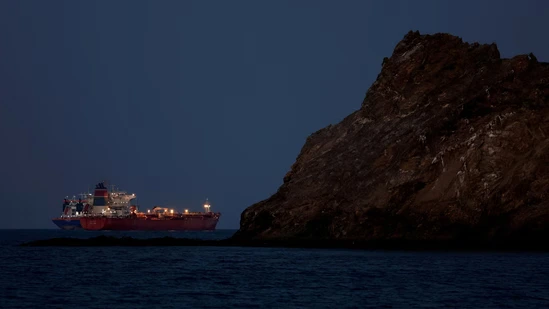
Tehran, April 9: Iran has instituted a mandatory toll of $1 per oil barrel for tankers seeking passage through the Strait of Hormuz, with payments required exclusively in digital currency. The move follows the Islamic Republic’s decision to tighten controls over the waterway, citing a need for heightened maritime safety and cargo inspections during a fragile two-week ceasefire with American forces.
The Supreme National Security Council, which dictates the conditions for transit, has authorized the collection of these fees to facilitate a thorough assessment of each vessel. Hamid Hosseini, representing the exporters’ union, maintained that the fees must be paid in bitcoin to ensure transactions remain untraceable and secure from international sanctions. Hosseini asserted that while the strait remains open to those who comply, the Islamic Republic “is not in a rush” to expedite the process.
Maritime intelligence groups noted that the new requirements have created significant logistical hurdles. Experts declared that the current volume of waiting ships cannot be cleared within the two-week window, given that the inspection and payment verification process is inherently time-consuming. Before the current regional instability, the strait served as a conduit for nearly one-fifth of the world’s oil supply.
Major shipping lines stated they are working urgently to understand the specific legal and safety implications of the Iranian demands. Warnings were issued to tankers in the Gulf that failure to secure prior approval could lead to military strikes against non-compliant vessels. The Revolutionary Guard Corps affirmed in a public statement that ships must adhere to designated alternative routes to remain protected from potential collisions or sea mines during this period of heightened alert.
