
CHANDIGARH, MAY 2– As chronic kidney disease (CKD) emerges as a growing public health crisis in India, the Punjab government’s Mukh Mantri Sehat Yojna (MMSY) has emerged as a critical intervention, covering ₹16.5 crore in dialysis costs to date. By providing free services at both government and empanelled private facilities, the initiative has successfully mitigated the catastrophic health expenditures that frequently lead to debt or treatment abandonment among the state’s working class.
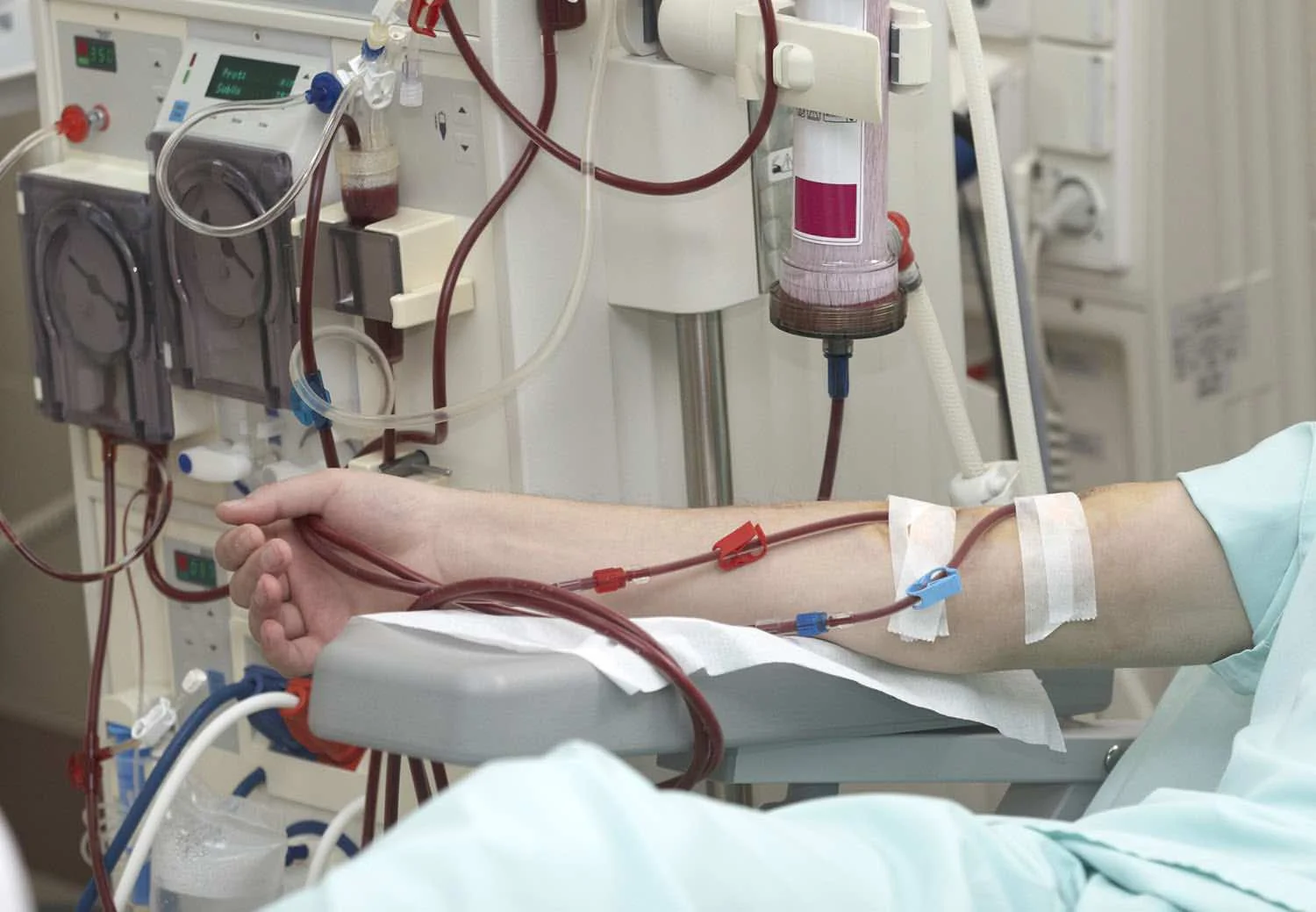
The program has supported roughly 1 lakh dialysis cycles, a procedure that filters toxins from the blood when kidneys can no longer function. Health Minister Dr. Balbir Singh affirmed that the initiative’s primary goal is to ensure continuity of care, stating that cost should never be a reason for a patient to miss a session. He noted that the 1 lakh milestone reflects the scale of the state’s efforts to support those living with non-communicable diseases like diabetes and hypertension, which often lead to renal failure.
Dr. Sourav Goyal, a specialist in Moga, declared that the impact of the scheme is a relief for both patients and the medical community. He stated that cashless access ensures that patients do not delay their four-hour treatment cycles, which are essential for sustaining life. Goyal maintained that the program acts as a safeguard against the “financial burden” that previously forced many to compromise on their medical needs.
The success of the MMSY comes at a time when the World Health Organization has classified CKD as a rapidly growing global threat. In Punjab, the integration of private hospitals into the state’s cashless network has expanded the reach of these services. Patient testimonials, such as those from beneficiaries in Ludhiana, affirmed that the transition to the Mukh Mantri Sehat Yojna has eliminated the out-of-pocket expenses that once defined their weekly struggle for health.
