
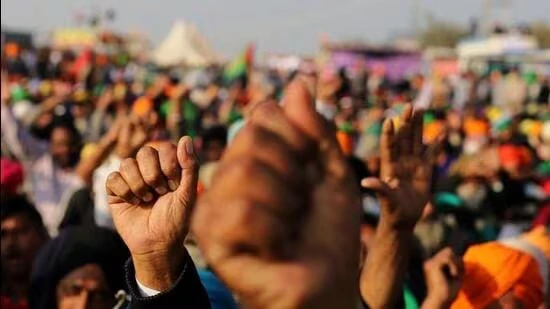
Chandigarh, July 3: A state-wide agitation has been signaled by the Revenue Patwar Union Punjab to protest against excessive workloads, staff deficits, and inadequate infrastructure at local offices. The decision to launch the protest comes after twenty-four months of bilateral dialogue failed to produce concrete resolutions for the field staff. The cadre will gather for a major symbolic protest in Jalandhar on July 10 to draw direct attention to their operational grievances.
The union has highlighted a structural imbalance within the department that complicates daily public dealing across rural circles. State President Balraj Singh Aujla asserted, “If the slogan of village, village, Patwari is realized, then the people will get great convenience.” The leadership maintained that the state administration should formally adopt this formula as a public guarantee, ensuring that rural communities do not have to travel long distances for simple land verifications and revenue certificates.
The baseline infrastructure within regional offices has emerged as a significant point of contention for the employee union. Representatives stated that the lack of necessary equipment like laptops has slowed down digital mapping projects, while the absence of basic restroom facilities in Patwar Bhawans causes immense hardship to the expanding female workforce. Additionally, the association asserted that the retention of central pay scales for newer recruits has created severe pay disparities within the same working cadres.
The union executive committee, which included State General Secretary Sukhpreet Singh Dhillon, All India Representative Sumandeep Singh Bhullar, and Treasurer Pawan Kumar, expressed hope that the top leadership would initiate direct talks. They maintained that the current staff handles immense pressure, managing extra revenue circles on top of special duties during natural calamities. The organizers declared that while they remain dedicated to their public welfare duties, the systematic demonstration will proceed as scheduled if their structural demands continue to face administrative neglect.
