
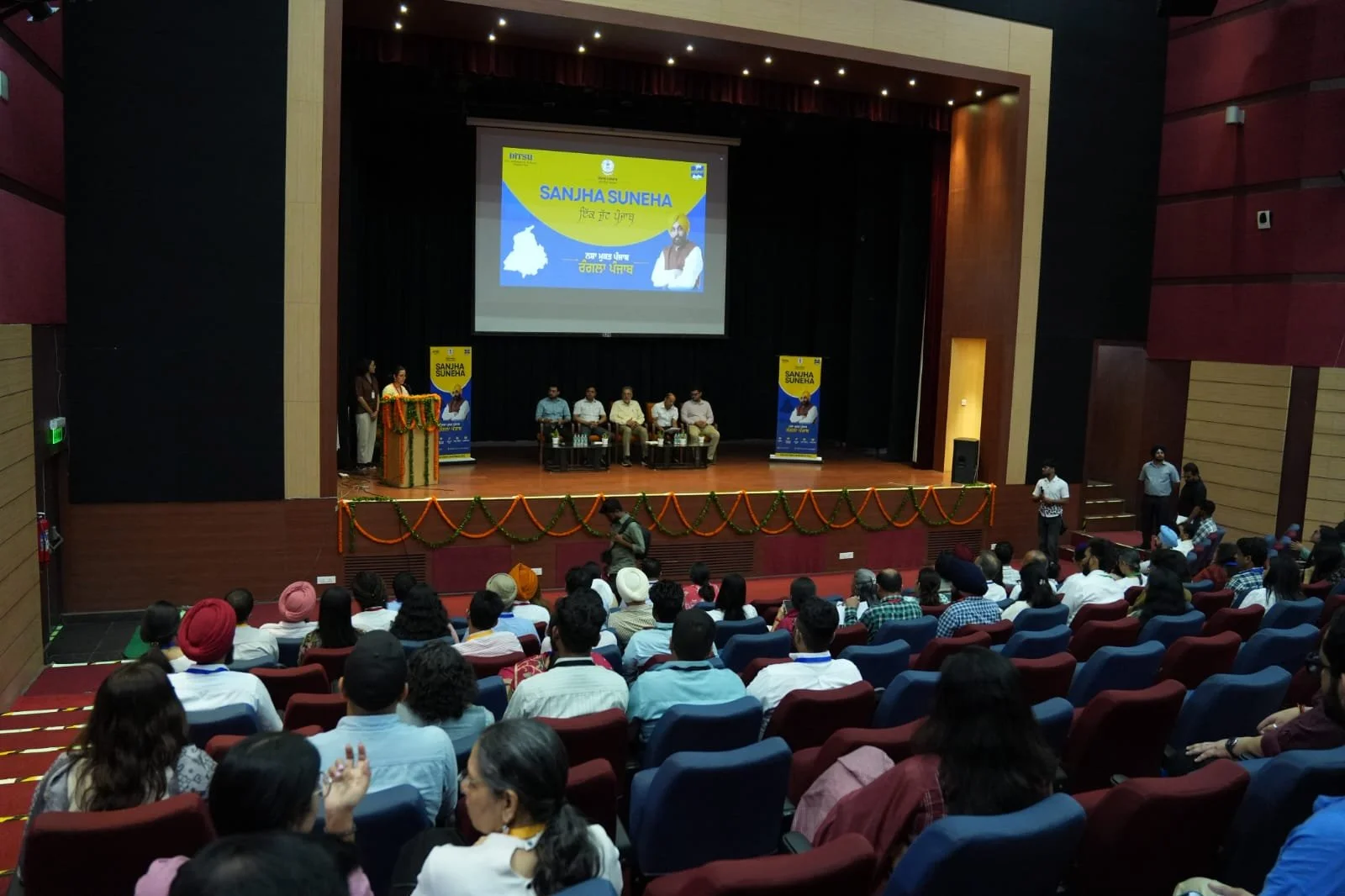
Chandigarh, July 4: The Punjab administration has launched a first-of-its-kind community partnership designed to transform the state’s anti-drug campaign into a widespread public movement. The Sanjha Suneha conclave, held in Chandigarh, successfully gathered a broad spectrum of civil society organizations, mental health experts, and digital content creators to build a sustained defense against substance abuse under the Yudh Nashean Virudh initiative. The technical backbone of the operation, the Data Intelligence and Technical Support Unit, hosted the event to foster honest dialogue and establish stronger referral networks between grassroots workers and state welfare departments.
The specialized sessions allowed digital media influencers and social activists to brainstorm on how to shape public opinion and promote a healthier, drug-free lifestyle. Key themes included expanding sports activities for youth empowerment, enhancing mental health infrastructure in colleges, and protecting children in conflict with the law. Over 40 prominent organizations, including regional trusts and international bodies, shared their field insights to help the state optimize its treatment and rehabilitation facilities.
State leadership maintained that incorporating every tier of society is the most effective way to eliminate the demand for illicit substances and support families affected by addiction.
“To empower youth, we have initiated this campaign in the schools and colleges, encouraging sports activities and also simultaneously guiding parents and teachers to take the fight against drugs head on,” declared Punjab Health and Family Welfare Minister Dr Balbir Singh. He asserted that the administration is actively bolstering de-addiction services and expanding rehabilitation infrastructure to prevent the younger generation from falling prey to substance abuse.
Field experts present at the conclave declared that sustainable de-addiction requires a deep understanding of why individuals turn to substances in the first place.
“Drug abuse is basically a coping mechanism against the challenges of life,” affirmed Dr Neelam Sodhi, who heads the Ludhiana-based Zila Foundation. She explained that their framework assists families in communicating better so that children do not view substance use as an escape when facing personal hardships.
Proactive data collection and post-treatment tracking were also identified as vital components to lower the rates of return to drug use.
“Our focus mainly is on providing information to the government on where the demand for services and post-recovery follow-up so that there are fewer and fewer cases of relapse,” stated Manish Kumar, Team Leader of the Delhi-based NGO SPYM, who noted that raising clear awareness about the long-term consequences remains a primary hurdle in de-addiction efforts.
