
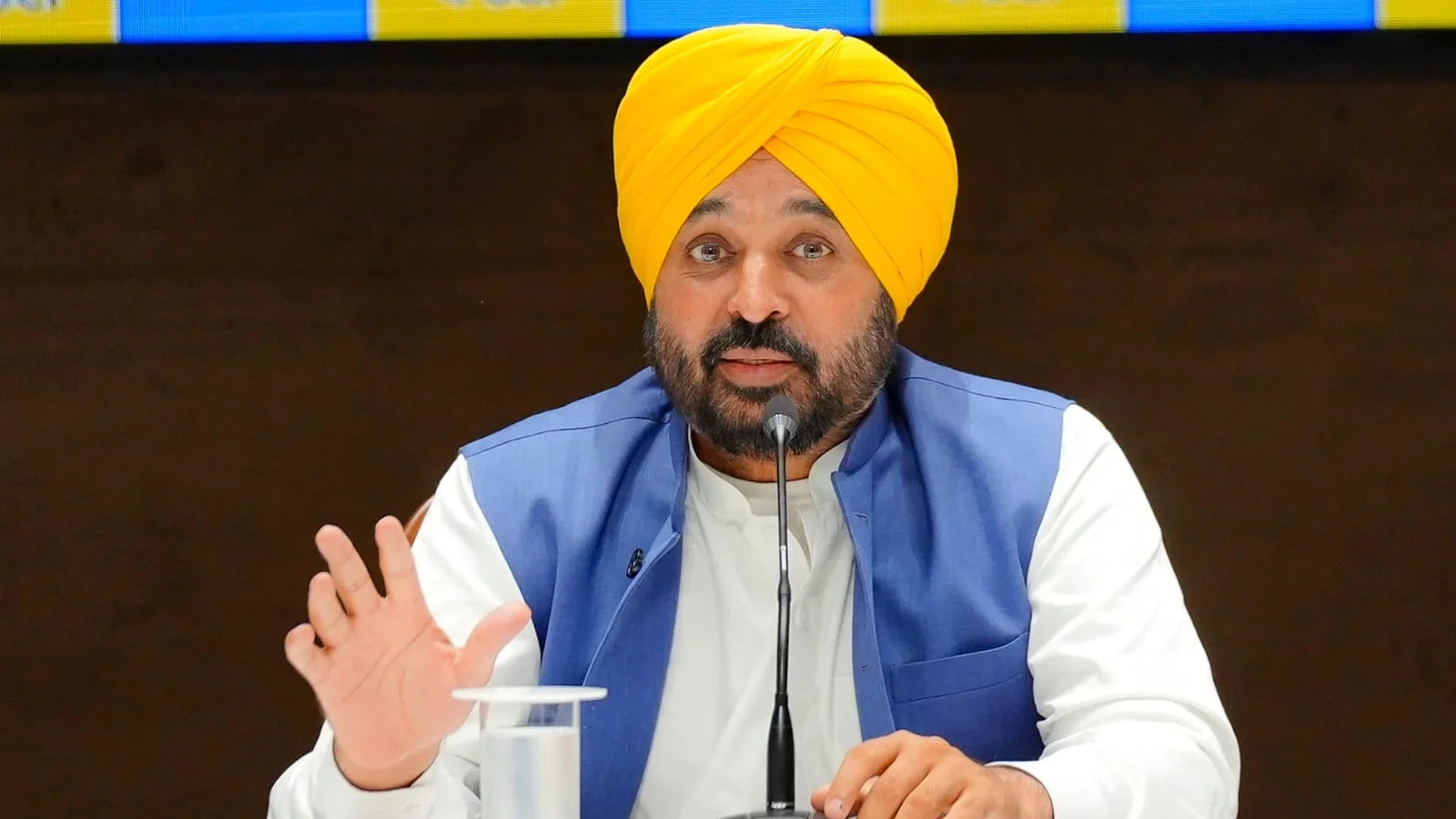
CHANDIGARH, July 17 — The state executive has called for a comprehensive review of the nationwide rollout of E20 petrol, pointing to rising technical challenges faced by everyday motorists. The administrative push supports a formal request sent to the Prime Minister seeking the restoration of consumer choice at fuel stations and a re-evaluation of the pricing structure for ethanol blends. Chief Minister Bhagwant Singh Mann affirmed that a united public response is growing against the current distribution system, which mandates the use of E20 fuel without offering alternative options.
The administration noted that vehicle owners are experiencing reduced fuel efficiency and higher frequencies of mechanical breakdowns since the transition. The state leadership stated that since the fuel blend exhibits different combustion and material properties, pricing it identically to pure gasoline imposes an uneven financial burden on the public.
“E20 petrol should be priced lower than pure petrol instead of both being sold at the same price,” Chief Minister Bhagwant Singh Mann asserted. “Charging the same price benefits large oil companies while placing an unfair financial burden on ordinary consumers.”
The campaign seeks to channel consumer feedback through a structured online framework to ensure central policymakers receive clear data regarding the ground realities of the transition. The state administration maintained that a dual-option fuel policy would allow citizens to protect older combustion engines that are not built to handle high ethanol concentrations.
“Every citizen should add their voice by signing the petition to compel the BJP-led Central Government, which has deliberately turned a blind eye to this serious issue, to take corrective action,” the Chief Minister declared.
Organizers of the awareness initiative emphasize that the petition is designed to act as a vital bridge between affected vehicle owners and federal regulatory bodies. The state remains focused on ensuring that energy transitions are managed smoothly without causing unintended economic disruption to transport sectors or diminishing the hard-earned resources of ordinary citizens.
