
Chandigarh, August 27: The Punjab health department has scaled up its clinical treatment network under the ‘Yudh Nashean Virudh’ initiative, offering harm-reduction services to individuals dealing with substance use disorder across the state. The framework operates through 547 Outpatient Opioid Assisted Treatment (OOAT) facilities, 47 Opioid Substitution Therapy (OST) centers, and targeted intervention services designed to support long-term recovery.
By deploying evidence-based health interventions, the initiative aims to halt the spread of infections such as HIV and hepatitis B and C while lowering overdose fatalities and associated social disruption. The overall strategy combines daily clinical treatment with counseling on safer practices and risk reduction.
Government psychiatrists administer regulated alternatives like Buprenorphine and BPN-Naloxone combinations, allowing patients to receive supervised daily dosages or controlled home supplies based on health evaluations. The state is also expanding liquid methadone therapy, scaling its functional maintenance centers from six to twelve locations statewide.
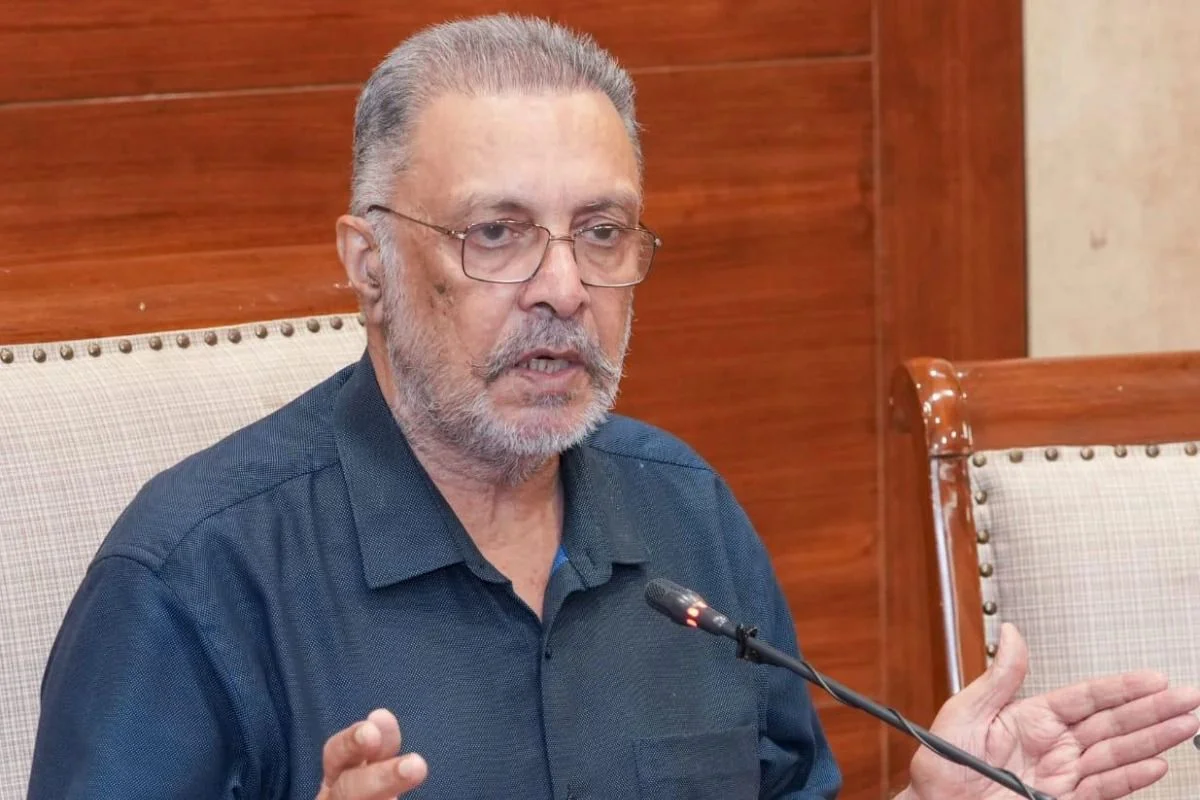
Health Minister Dr Balbir Singh declared that expanding advanced therapeutic options remains vital for stabilizing individuals affected by severe dependency.
“Methadone maintenance therapy, implemented in accordance with the guidelines of the World Health Organization and the National AIDS Control Organisation, provides an effective treatment option for people with long-term opioid dependence,” affirmed Health Minister Dr Balbir Singh.
He maintained that integrated clinical care and skills training improve overall recovery rates, allowing individuals to rebuild their social and familial lives. Expert evaluations from AIIMS specialists reinforce that long-term daily medication acts as standard medical management rather than substitute addiction, aiding safe community reintegration.
