
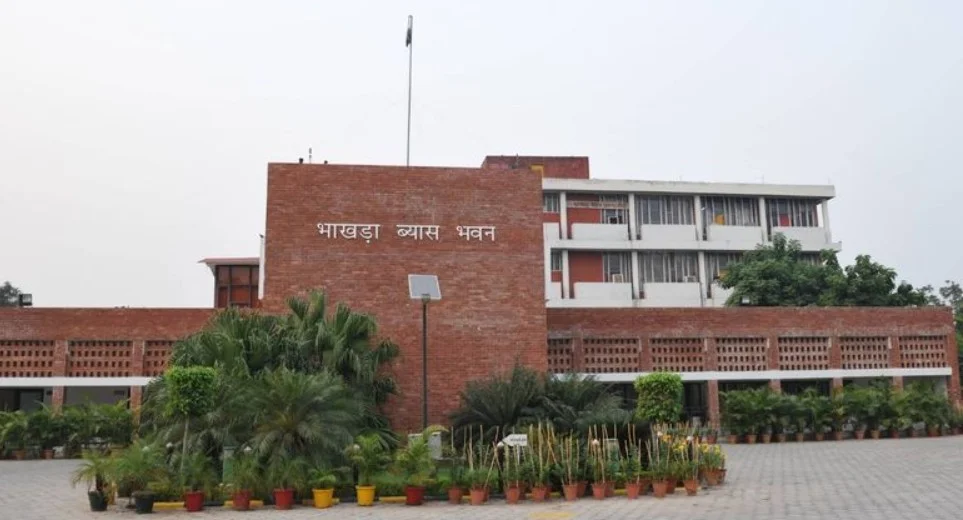
CHANDIGARH, June 9 — The Bhakra Beas Management Board has advised northern agricultural states to maximize their consumption of canal water for the ongoing paddy season to help manage high storage reserves at the Gobind Sagar reservoir. Administrative logs show that despite the rapid pace of seasonal sowing across rural Punjab and Haryana, the partner states have not yet utilized their maximum allocated shares of the regional water system.
The management board stated that the reservoir is currently operating just 102 feet below its Full Reservoir Level. Because the traditional filling period runs from late May through September 20, ongoing Himalayan snowmelt combined with early monsoon forecasts are expected to rapidly expand the existing water volume.
The current inbound flow into the facility was measured at 13,748 cusecs, which trails behind the historical average of 30,514 cusecs for early June. Nevertheless, overall cumulative reserves remain robust due to significant carryover storage from the previous winter cycle.
Detailing the current operational data and water distribution status, a technical report from the board noted:
“According to BBMB data presented at the meeting, the water level in the Bhakra reservoir stood at 1,578.07 ft on June 9, 2026. This is 21.47 ft higher than the level of 1,556.60 ft recorded on the same date last year and well above the historical average of 1,543.72 ft for this period.”
The committee noted that increasing the irrigation discharge serves a dual purpose by satisfying the massive seasonal requirements of rural farmers while simultaneously addressing safety parameters. Technical experts stated that clearing out a portion of the current live storage will safeguard the main dam infrastructure against sudden volumetric surges.
The board maintained that strategic, early releases represent the most effective method to balance agricultural demand with regional flood mitigation requirements. While official administrative representatives did not issue formal statements after the afternoon session, the distributed guidelines indicate that the canals will see an immediate increase in volume once the respective state irrigation departments adjust their regional intake gates.
