
CHANDIGARH, MAY 16 — Recent central trade directives and subsequent adjustments to petroleum pricing have drawn heavy criticism from Punjab lawmakers, who argue that the economic burden falls heavily on the nation’s agricultural heartland.
The central government’s decision to increase diesel by ₹3.11 per litre, alongside petrol and CNG rate revisions, was described by state representatives on Friday as a policy that contradicts public welfare and strains the financial viability of farming.
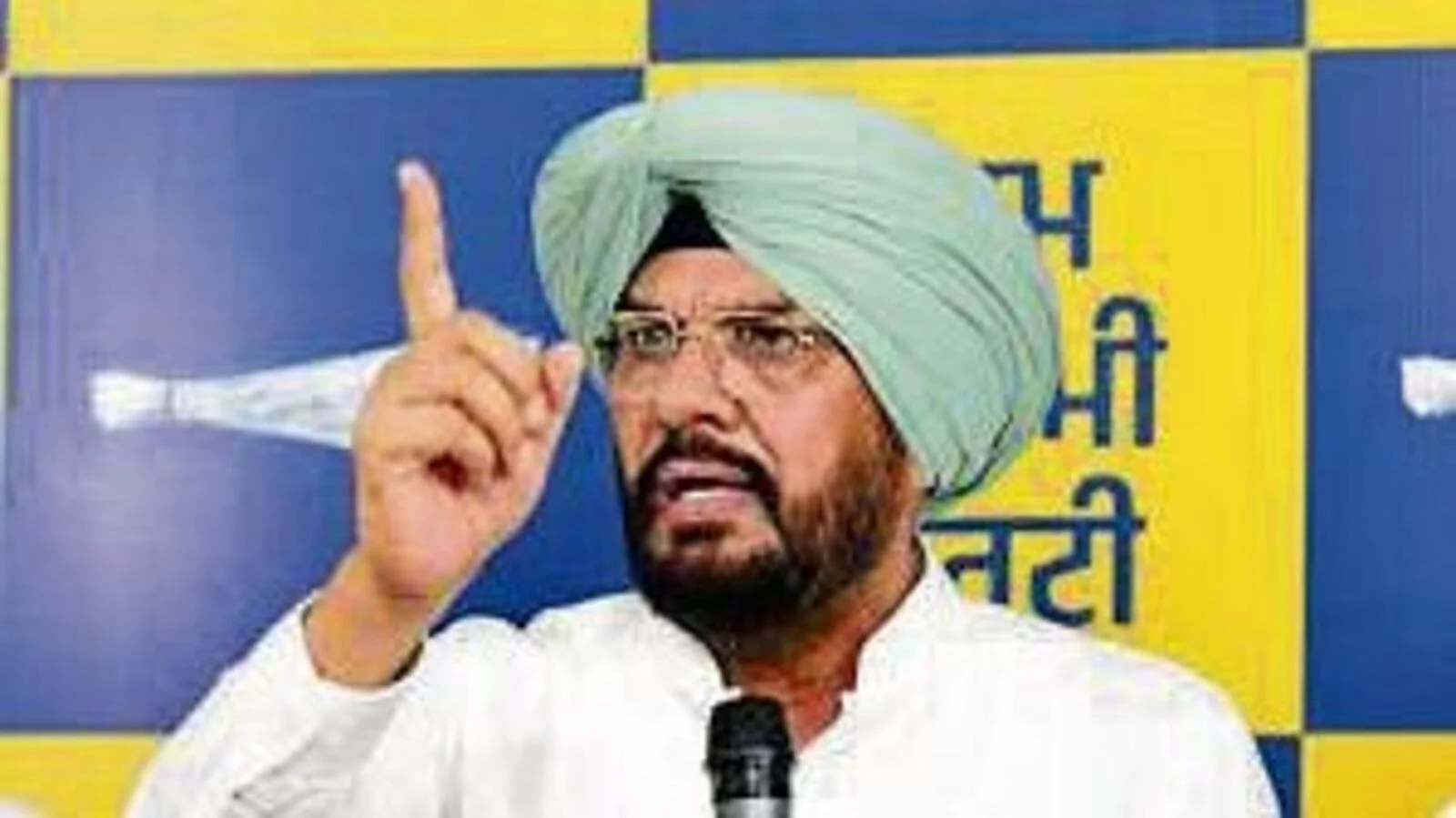
“The BJP Government has once again imposed an unbearable financial burden on the farming community,” AAP Punjab Chief Spokesperson Kuldeep Singh Dhaliwal asserted at a press conference. “Since Punjab feeds the nation, the impact of this diesel price hike will hit Punjab’s farmers the hardest.”
The critique heavily reordered the context of recent agricultural policy announcements, contrasting the fuel hike against a recent 72-paise per kilogram increase in the Minimum Support Price (MSP) for paddy. Dhaliwal maintained that the minor adjustment to the support price fails to cover the actual cultivation costs determined by agricultural universities, especially when contrasted with the retail price of rice in consumer markets.
“On one hand, the BJP Government increased MSP by merely 72 paise per kilogram, and on the other hand, it increased diesel prices by ₹3.11 per litre, putting an even heavier burden on farmers,” Dhaliwal stated.
The minister also targeted the broader framework of national foreign policy, referencing warning signs that the party raised during bilateral trade discussions earlier this year. He declared that domestic fuel consumers are bearing the brunt of international diplomatic compliance, which halted the intake of lower-cost energy imports.
Addressing local political dynamics, the AAP leadership called on regional opposition figures to clarify their stance on the economic impact of these decisions on Punjab’s population.
Dhaliwal concluded by noting that while ordinary citizens face administrative calls to conserve energy and manage rising costs, leadership figures continue high-cost official travel, calling for a swift rollback to prevent cascading freight and transport inflation across the country.
