
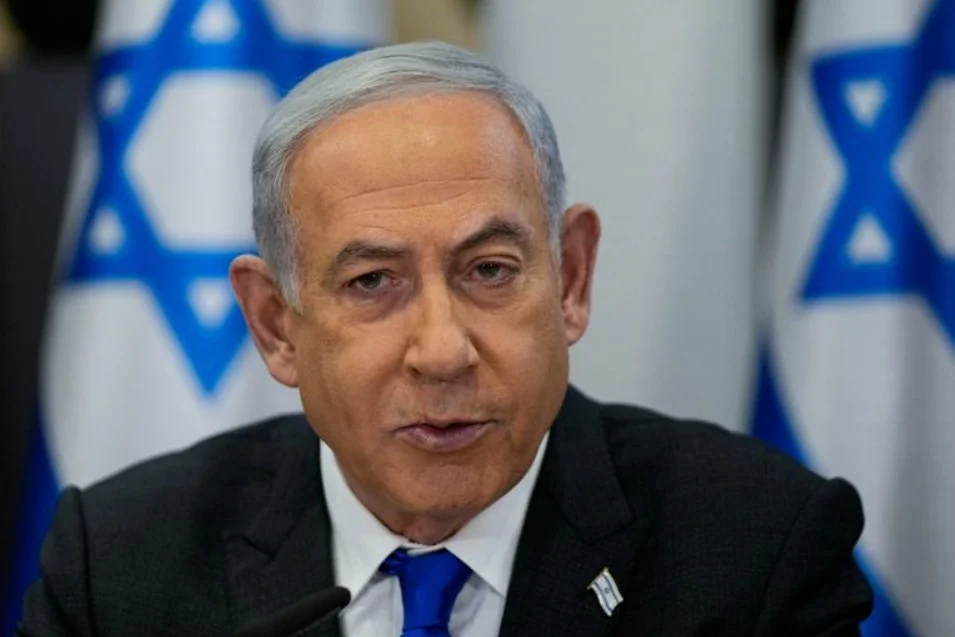
Washington, June 2: A planned Israeli military assault on Beirut was abruptly canceled following a direct intervention by U.S. President Donald Trump. In an announcement published on Truth Social, the American leader confirmed that Prime Minister Benjamin Netanyahu agreed to withdraw his forces from the operation. The diplomatic maneuver took place immediately after Iranian authorities warned that further Israeli actions inside Lebanon would permanently end their diplomatic talks with the United States.
While public statements framed the resolution as cooperative, details emerged showing extreme tension during the executive communications. Sources speaking to Axios noted that the U.S. President intensely challenged Netanyahu’s strategy, asserting that international sentiment had turned sharply against Israel’s recent military decisions. Witnesses to the call reported that the Israeli Prime Minister ultimately acquiesced to the demands, asking only for assurances that broader security concerns would be managed by Washington.
“I also had a conversation with Representatives of the Leaders of Hezbollah, and they agreed to stop shooting at Israel and its soldiers,” Trump affirmed when detailing the multi-lateral agreement. “Likewise, Israel agreed to stop shooting at them.”
The agreement establishes a temporary reprieve for a region that spent the weekend on the brink of wider warfare. Prior to the call, the U.S. military and Iranian forces had engaged in direct exchanges of fire, complicating an already unstable truce. Commenting to NBC News regarding Iran’s stance on negotiations, the U.S. President noted that while Washington had not been formally notified of a suspension in talks, the United States was not preparing to launch immediate retaliatory bombing campaigns.
The halt to the Beirut raid pauses an aggressive campaign that saw Israeli troops cross deeper into Lebanon than at any point in the last 26 years. Whether the mutual agreement to stop hostilities will endure remains uncertain, as past framework agreements have repeatedly cracked under localized border skirmishes.
