
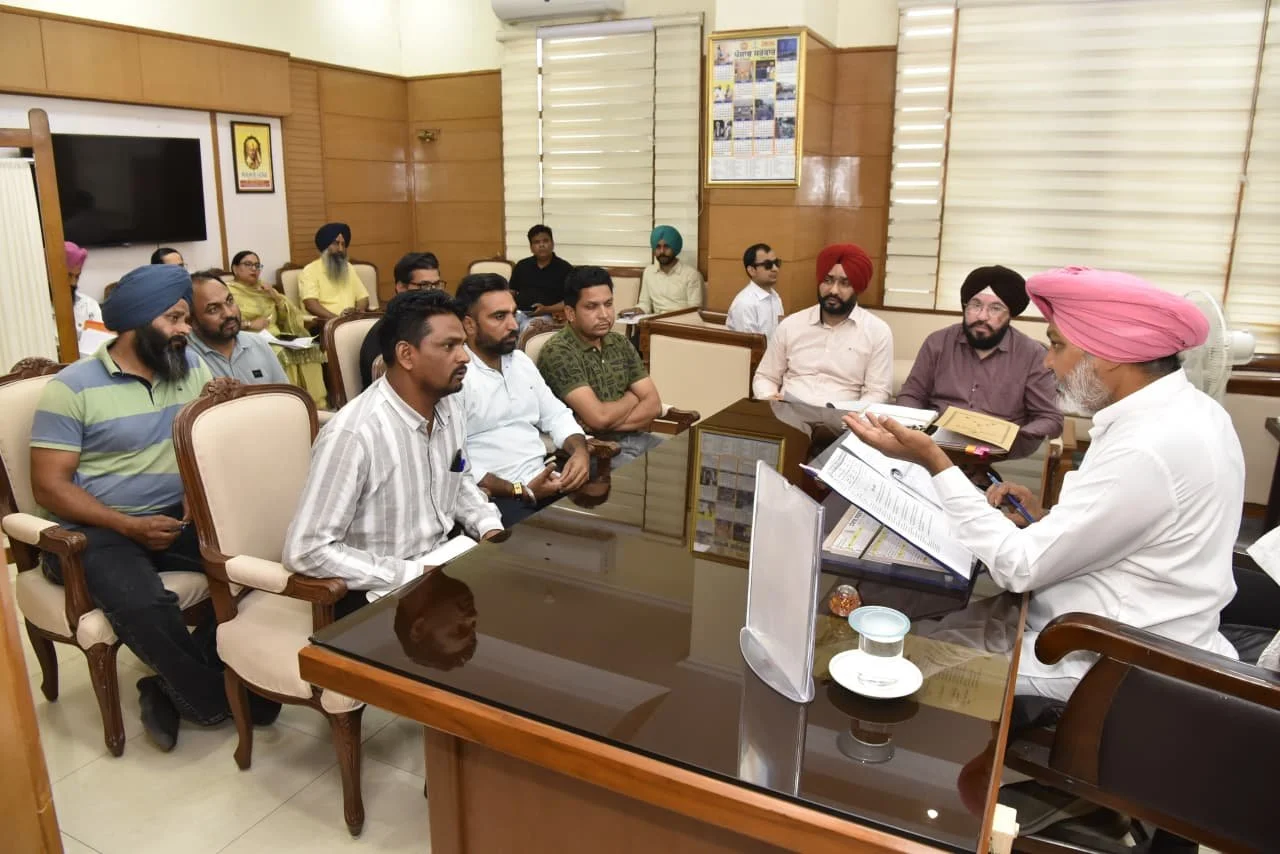
CHANDIGARH, June 12 — Financial and administrative resolutions for various categories of Punjab government employees are expected to accelerate following a series of high-level grievance meetings chaired by Finance Minister Harpal Singh Cheema on Thursday. The minister ordered immediate departmental reviews into employee requests for salary restructuring, uniform service policies, and age relaxation rules.
A major outcome of the sessions was a direct instruction to the Health Department to draft an insurance coverage plan for state ASHA workers. The proposed policy intends to cover both health and life risks to improve working conditions for frontline health facilitators.
“All legitimate demands will be examined on priority and the resolution process will be expedited,” Cheema affirmed, noting that the administration seeks an amicable and constructive approach toward public sector personnel matters.
The discussions focused heavily on the demands of contractual and temporary employees who have completed years of continuous service and are seeking permanent status. Additionally, representatives from the Overage Berozgar Union requested age modifications for upcoming educational recruitments, while teaching and non-teaching groups from Adarsh Schools raised issues concerning institutional service rules and welfare rollbacks.
Leaders from the Punjab AIDS Control Employees Welfare Association and the Veterinary Pharmacist Action Committee were among the numerous organizational officials who outlined their structural grievances directly to the minister.
Cheema stated that administrative channels must prioritize these files to ensure that workers receive clear timelines for their pending benefits, asserting that steady communication between the state and its workforce remains vital for stable governance.
