
True modernization in public health management requires a profound shift away from simply managing advanced sicknesses toward actively cultivating daily health, wellness, and preventative care across communities.
Historically, comprehensive wellness practices, specialized physical fitness regimes, and holistic stress management tools like traditional yoga were often seen as an exclusive luxury, accessible only to affluent urban residents who could afford expensive private club memberships.
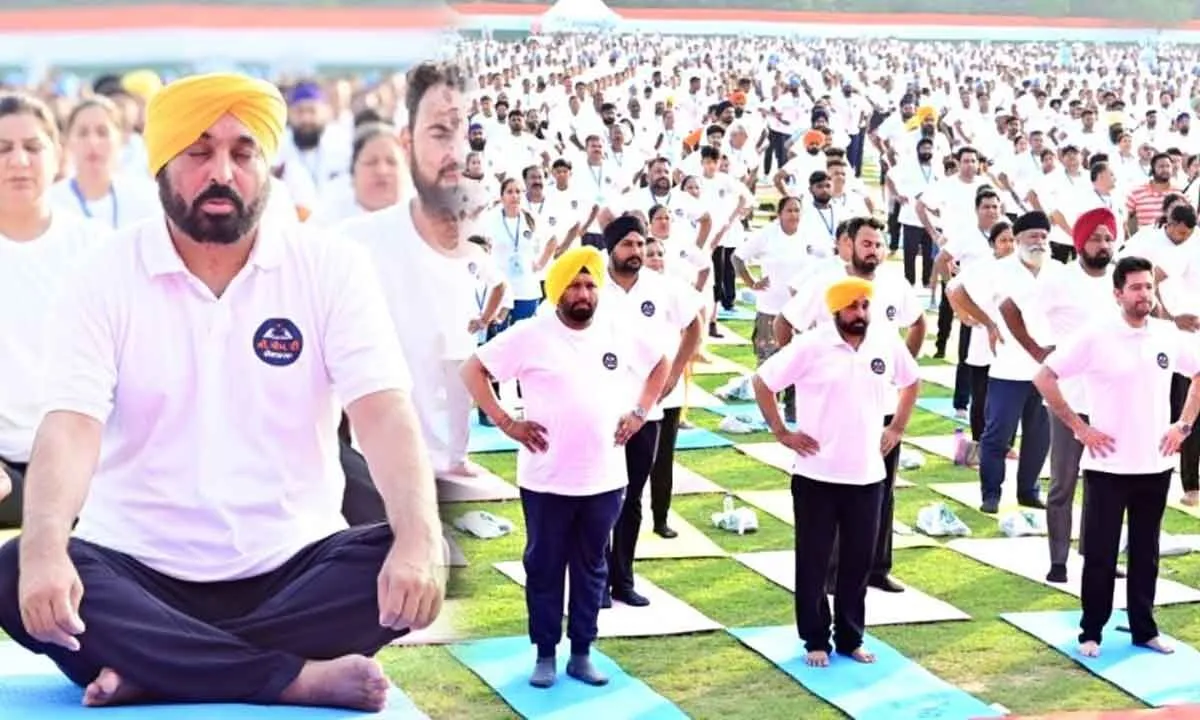
This long-standing cultural and economic divide meant that working-class neighborhoods and rural communities were largely left out of the immense mental and physical health benefits of regular mindfulness training. The nationwide expansion of the CM di Yogshala initiative completely dismantles these traditional barriers, bringing structured wellness practices directly into the public parks, community centers, and shared neighborhoods of ordinary citizens entirely free of cost.
The rapid, grassroots expansion of this wellness movement is built upon an incredibly efficient, citizen-driven delivery model that places the community’s needs first. Under this unique system, whenever a group of twenty-five or more neighbors or colleagues expresses a collective desire to establish a wellness class, the state immediately deploys a fully certified, professionally trained yoga instructor to conduct regular sessions right in their local area.
By training a dedicated team of over hundreds of specialized educators, the administration has successfully brought this free wellness framework across a vast network of urban hubs, including major districts like Amritsar, Ludhiana, Phagwara, Jalandhar, and Patiala. For thousands of daily participants, these structured early-morning sessions have transitioned from a simple fitness routine into a vital tool for managing modern lifestyle conditions, such as hypertension, diabetes, and chronic stress.
Beyond the immediate physical health benefits, the universal nature of this initiative acts as a powerful social glue, bringing communities together and rebuilding social ties across diverse neighborhoods. By transforming local public parks and neighborhood commons into active zones of health and shared purpose, the program cuts right through traditional age, gender, and socio-economic divisions, encouraging senior citizens, homemakers, and young working professionals to exercise side by side.
This shared commitment to regular physical fitness also plays an important role in easing the long-term strain on public hospital infrastructure by fostering a culture of preventative health that stops chronic conditions from developing in the first place. Ultimately, this pioneering health movement demonstrates that when a progressive government treats comprehensive physical and mental wellness as an essential citizen entitlement rather than an optional luxury, it builds a happier, healthier, and more energetic society.
Read More: HOW PUNJAB’S “MERI RASOI” STRIPS VULNERABILITY FROM THE BASIC RIGHT TO FOOD
