
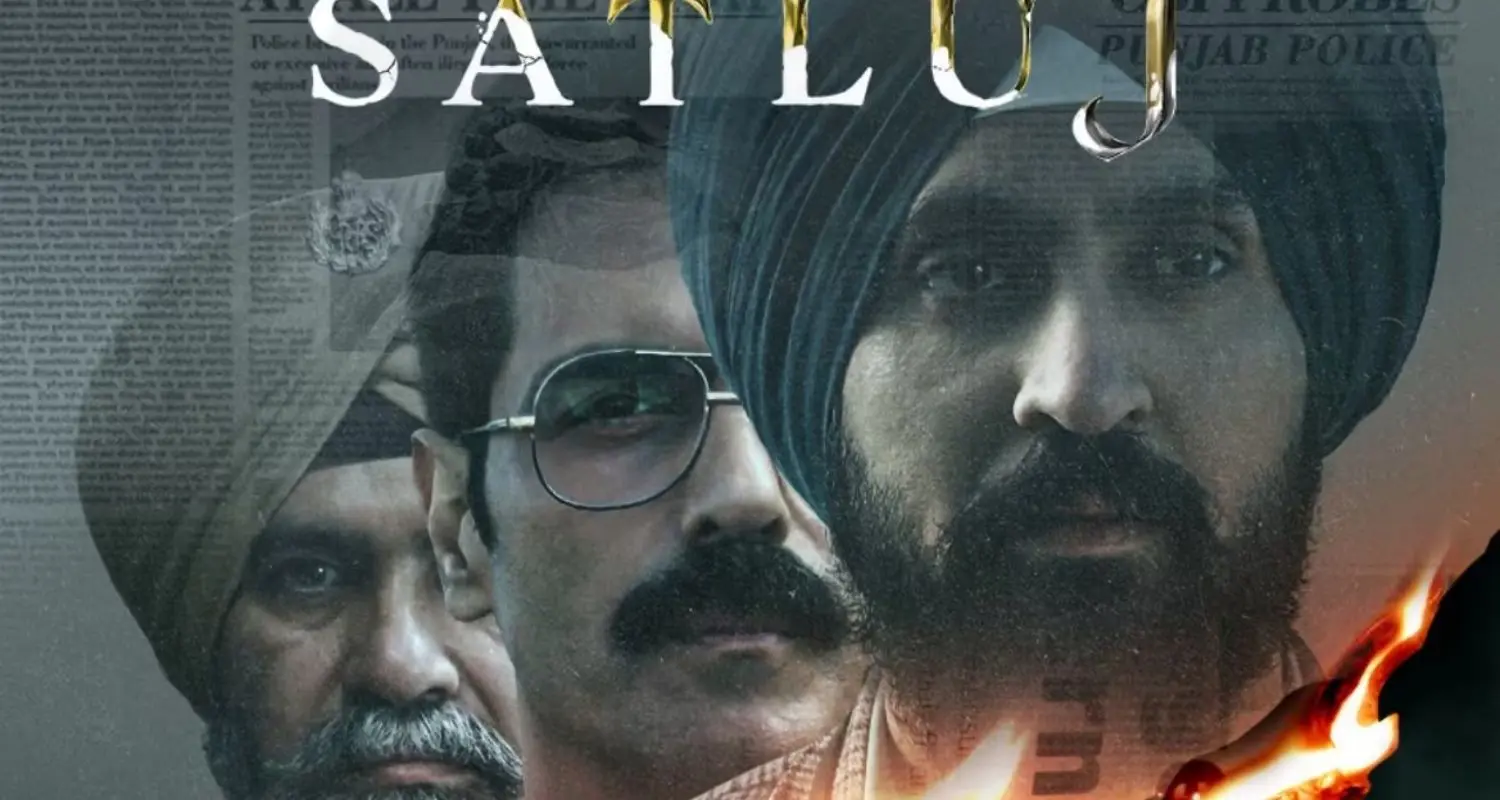
New Delhi, July 8: The Ministry of Information and Broadcasting has set up a three-member committee to evaluate the removal of the Punjabi film Satluj from a major online streaming service. The administrative intervention follows growing public debate over the production, which details historical events involving former Punjab Chief Minister Beant Singh and examines past law enforcement operations. Punjab BJP President Kewal Dhillon stated that the Union government initiated the formal review process in response to a detailed appeal presented to federal authorities.
The political leadership welcomed the quick response from the central ministry to address the concerns of local creators. Dhillon declared that the state’s artistic expressions must be handled with appropriate care and institutional clarity.
“I welcome the Centre’s prompt decision to refer the issue to a review committee. Due process, transparency and respect for Punjab’s cultural and creative voices must always go hand in hand.”
The cinema project, directed by Honey Trehan and centered on the life of human rights activist Jaswant Singh Khalra, was taken down from ZEE5 shortly after its digital debut. Federal broadcasting officials stated that the online release bypassed mandatory regulatory protocols after the production team reportedly altered the original title, Punjab ’95, without obtaining updated statutory clearances. The central regulatory body had previously proposed 127 modifications to the footage, which the creators chose not to implement.
The sudden removal of the biographical drama drew significant public attention, with various online commentaries linking the administrative action to Union Minister Ravneet Singh Bittu, who is the grandson of the late Chief Minister portrayed in the film. The minister has not issued any public statements regarding the matter. Dhillon maintained that while statutory guidelines remain essential for digital media, the perspectives of the local creative community require a neutral assessment.
“While the rule of law must be respected, the legitimate concerns of Punjab’s film fraternity and the wider public deserved an impartial and objective hearing.”
