
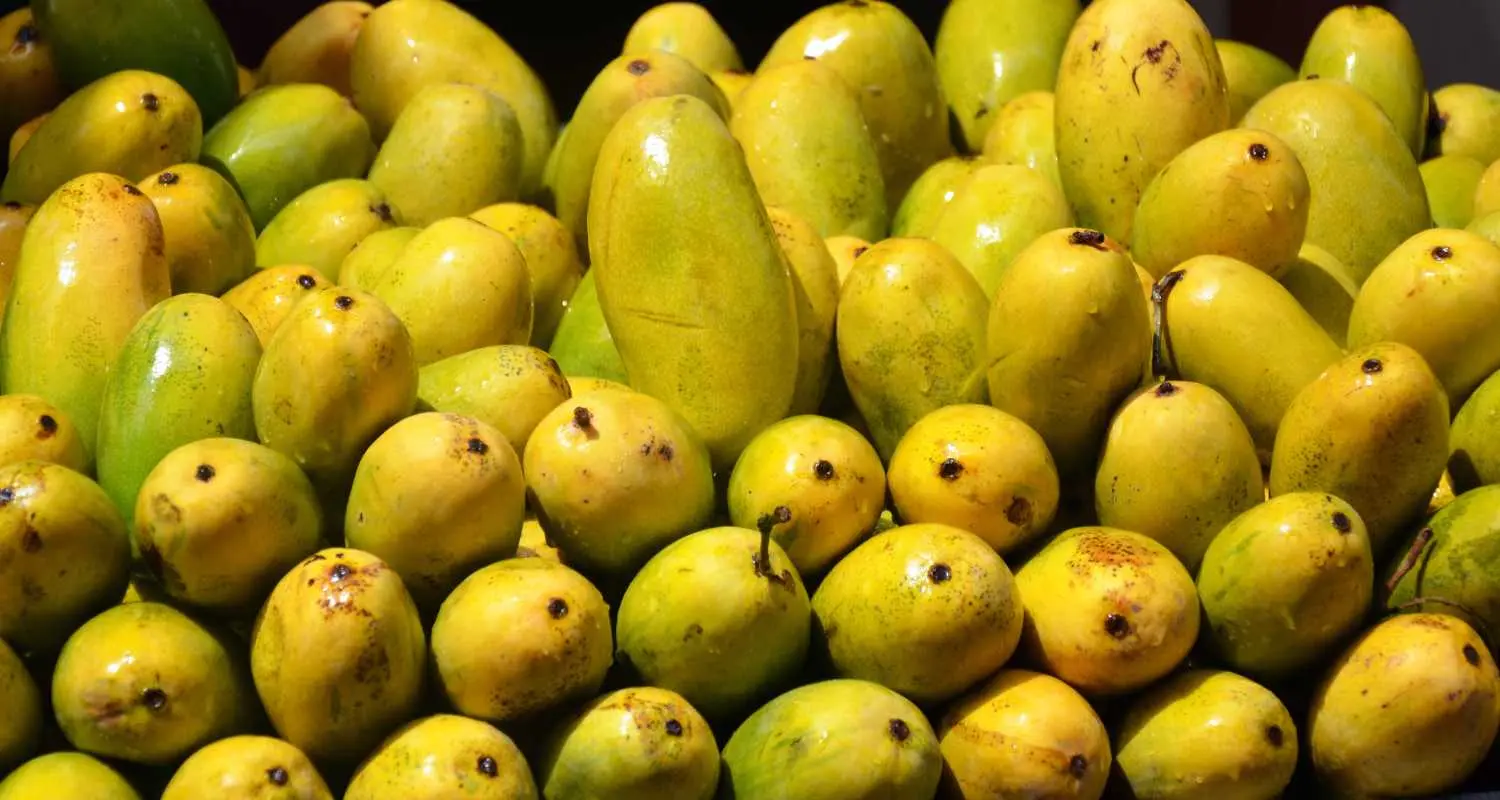
KATHMANDU, JUNE 11 — Nepal has not restricted the import of mangoes from India, according to a statement released Wednesday by the Ministry of Agriculture, Forest and Environment.
The country’s Plant Quarantine and Pesticide Management Centre issued a formal notification after social media platforms and news outlets published reports alleging a total block on the fruit. The center stated that import permits are being issued regularly to satisfy consumer demand, provided the shipments satisfy established agricultural health standards.
The announcement marked a shift in tone from earlier statements by border officials, who had cited a lack of proper quarantine facilities in Madhes province as a reason for restricting mangoes suspected of carrying excessive pesticides.
A major delivery of Indian mangoes was recently allowed to proceed after being delayed at the Bhittamod checkpoint due to suspected pest contamination. Manish Kumar Pal, a regional agriculture ministry spokesperson, affirmed that the cargo was granted entry once Indian officials supplied the mandatory plant health documentation.
The initial border disruptions caused concern among local commercial groups regarding supply chain stability. Fruit and Vegetable Traders’ Association General Secretary Bhuvaneshwar Purbe stated that local harvests fall short of nationwide consumption needs. He noted that even though Janakpurdham processes more than 50 tonnes of mangoes from surrounding areas for shipment to major cities like Kathmandu, the market relies heavily on Indian imports to fill the deficit.
Purbe advised authorities to focus on rigorous quality testing at border points rather than enforcing outright prohibitions.
In line with the Plant Quarantine and Protection Act 2064 Bikram Samvat, the central government maintained that strict bio-security guidelines remain necessary to keep infected vegetation out of the country. To satisfy these safety thresholds, the quarantine center noted that Indian mangoes must undergo a specific decontamination process involving immersion in hot water at 48 degrees Celsius for a duration of one hour before entering the market.
