
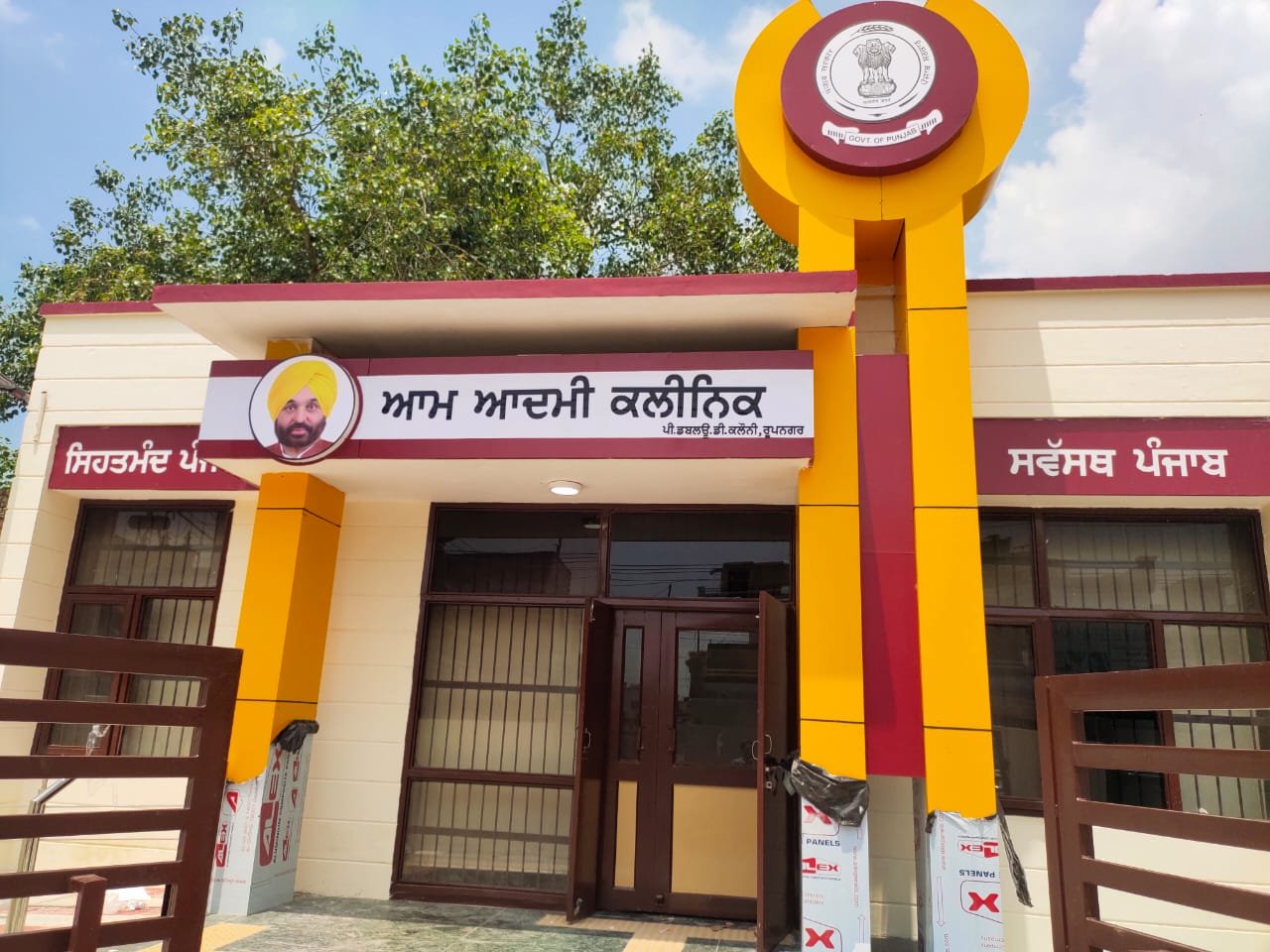
True healthcare transformation is rarely achieved within the distant corridors of major super-specialty hospitals; rather, it takes root directly within the neighborhoods where ordinary citizens live, work, and raise their families.
For generations, the public healthcare system suffered from structural centralisation, forcing rural and semi-urban residents to travel long distances, sacrifice daily wages, and crowd regional civil hospitals for basic medical consultations.
The rapid growth of the Aam Aadmi Clinics across both rural and urban sectors has successfully challenged this outdated approach by establishing an accessible, highly efficient model of localized primary care.
By embedding high-quality medical infrastructure right at the doorstep of the community, this initiative is quietly orchestrating a profound public health revolution that prioritizes preventative wellness over expensive, late-stage medical interventions.
The overwhelming response from the public, reflected in millions of patient visits, underlines a deep community trust that can only be earned through the consistent, reliable delivery of essential services.
Providing completely free access to over 100 essential medicines and 38 standard diagnostic tests directly inside the neighborhood alters the entire timeline of disease management, enabling early detection before common ailments escalate into complex conditions.
When a citizen can walk into a local clinic and receive blood sugar monitoring, lipid profiles, or kidney function tests without a single rupee leaving their pocket, the psychological barrier to seeking timely medical advice completely vanishes.
This immediate accessibility is especially revolutionary for chronic conditions like hypertension and diabetes, which previously went undetected for years simply because families viewed routine checkups as an avoidable expense.
Furthermore, this decentralized framework is achieving a crucial administrative victory by effectively decongesting district-level hospitals, allowing senior specialists to dedicate their valuable time, equipment, and surgical beds to complex secondary and tertiary procedures.
The forward-thinking integration of advanced artificial intelligence-driven screening tools for early breast and cervical cancer detection within these primary centers showcases a highly sophisticated approach to public health preservation.
By empowering a reinforced workforce of regularized medical officers and specialists with modern diagnostic support, the state is creating an equitable system where quality clinical care is no longer determined by geographic location or socio-economic status. This neighborhood-first model demonstrates that when public health infrastructure is designed around the daily realities of human lives, it becomes a powerful instrument for social stability and collective well-being.
