
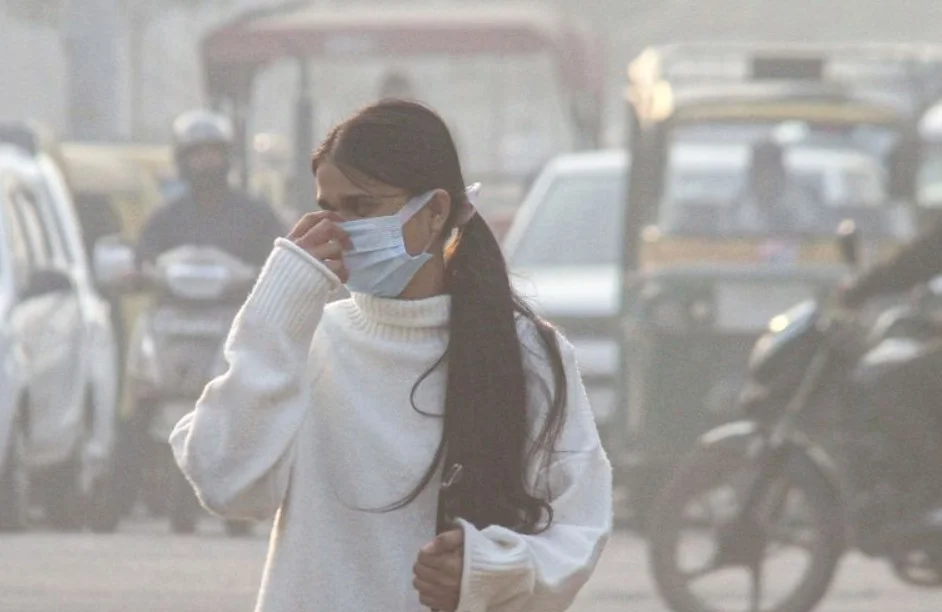
Faridabad, June 12: Environmental monitoring networks across northern India recorded sustained particulate matter during May, pointing to the structural nature of regional air quality management. According to the latest readings compiled from the Central Pollution Control Board’s tracking stations, Charkhi Dadri topped the national observations with an average PM2.5 concentration of 99 micrograms per cubic metre. Industry specialists stated that the combination of natural dust storms common to semi-arid topography and essential economic drivers, such as stone-crushing and heavy transport, influences these local measurements.
The tracking data showed that environmental challenges extend across several key economic hubs, including Manesar and Faridabad. Representatives from the energy and clean air research sector declared that these consistent figures underscore the need for long-term planning that extends beyond traditional seasonal concerns. Panchgaon, an area heavily involved in construction and infrastructure growth, reported an average reading of 85 micrograms per cubic metre, while neighboring zones faced similar structural atmospheric conditions.
The analysis further demonstrated that national capital regions continue to experience higher baseline concentrations compared to coastal or mountainous states. While Chandigarh and Patna managed varying moderate ranges, administrative officials asserted that coordinated policy interventions remain the primary path forward to balancing necessary industrial productivity with clean air objectives. Experts concluded that addressing these steady baselines requires a focus on sustained infrastructure upgrades and dust-suppression measures across all prominent transport and manufacturing sectors.
