
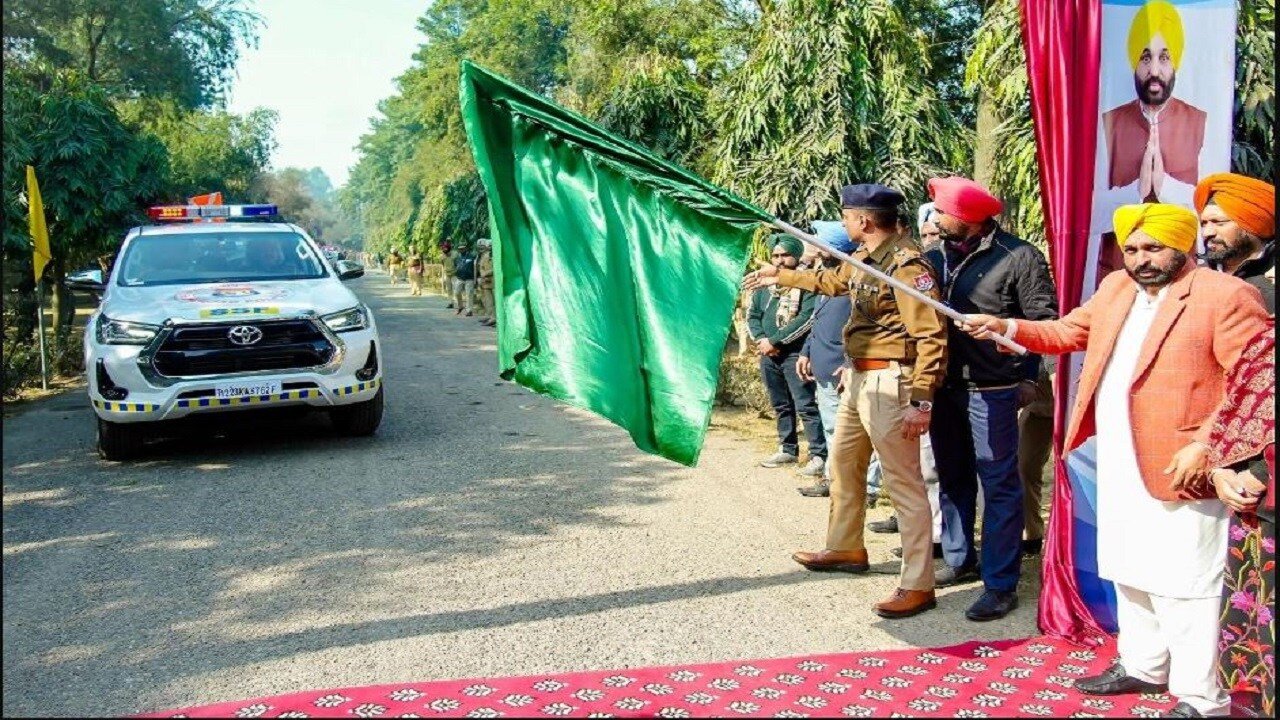
The hallmark of truly compassionate governance is found in its proactive steps to protect human life, especially on the busy public corridors that connect communities and drive commercial trade. For generations, the growing volume of highway traffic brought with it a quiet, devastating crisis in the form of rising road accident casualties, turning critical transport routes into hazardous sectors for long-distance commuters and daily travelers alike.
Historically, when a sudden crisis occurred on remote highway stretches, families were left waiting helplessly due to a lack of coordinated, specialized response systems capable of providing immediate clinical care during the critical platinum hour. The establishment of the Sadak Surakhya Force (SSF) directly addresses this public safety gap, introducing a historic framework that transitions highway management away from simple traffic regulation toward an absolute commitment to saving human lives.
The immediate structural impact of this specialized safety unit is demonstrated by a decisive forty-eight percent reduction in road accident fatalities across the state since its official operational launch. By dedicating a specially trained, freshly recruited force of 1,597 personnel equipped with 144 high-tech, fully provisioned emergency vehicles, the initiative effectively covers over 4,200 kilometers of vulnerable national and state highway stretches.
This decentralized deployment ensures a highly efficient emergency response time averaging between six to eight minutes, allowing teams to administer vital first aid, manage trauma on-site, and secure immediate hospital transit. This rapid, professional intervention has successfully transformed notorious high-risk corridors, such as the Sangrur-Patiala and Sirhind-Patiala stretches, turning areas that once reported high daily casualties into secure, continuously monitored travel environments.
Furthermore, the operational framework goes beyond basic medical rescue to establish a deep sense of security and public trust through its dedicated code of conduct. SSF teams perform a vital role in protecting and returning the personal belongings, valuables, and financial assets of injured commuters, setting a high benchmark for integrity and care in civic duties.
The progressive inclusion of advanced technology, including laser speed guns, digital dashboard cameras, and specialized training frameworks, establishes the force as a modern deterrent against reckless driving and dangerous traffic violations. By integrating these specialized safety measures alongside a massive expansion of high-quality road infrastructure across thousands of kilometers, the administration has created a highly successful safety model that is now drawing considerable interest from other states keen to replicate its design.
Ultimately, this initiative demonstrates that when public systems value every citizen’s life on the road, traveling across the state transitions into a secure, predictable, and dignified experience.
Read More: HOW THE SCHOOLS OF EMINENCE ARE EQUALIZING ACADEMIC OPPORTUNITY
