
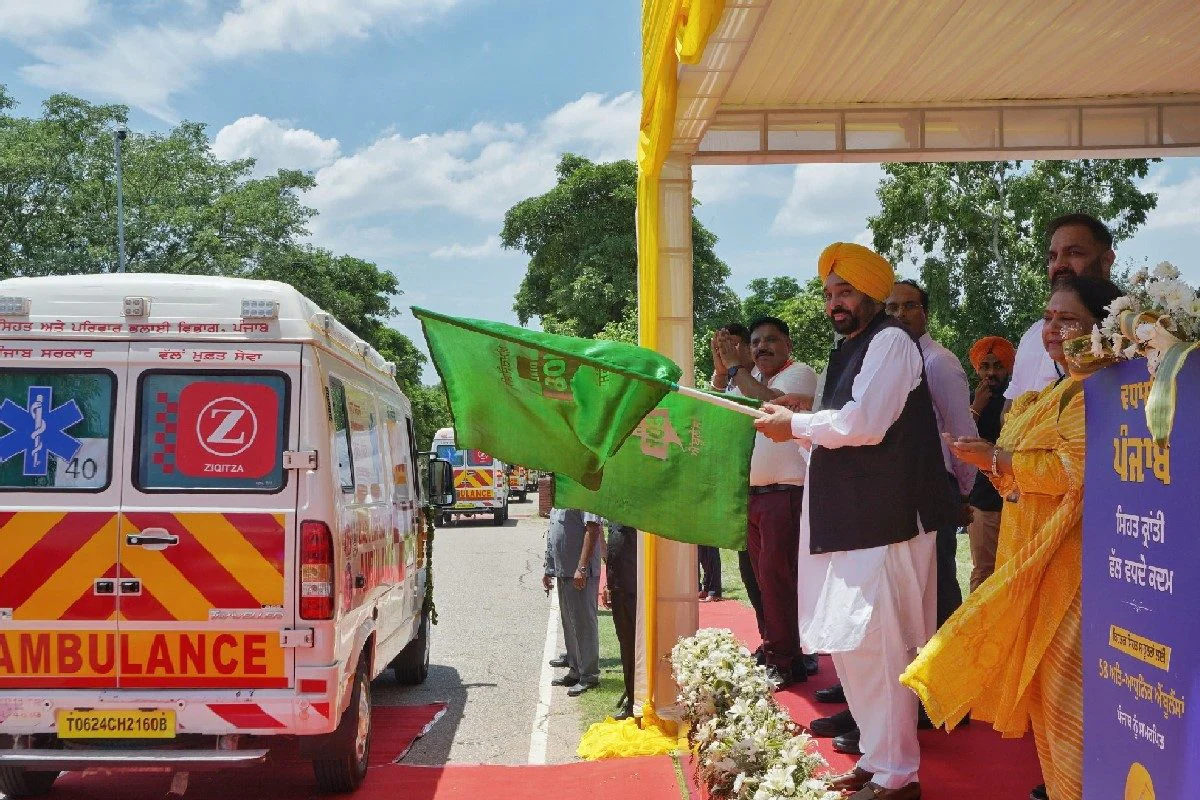
Amid the complex landscape of public healthcare management, the critical difference between saving a human life and enduring a profound tragedy is almost always measured in the frantic, initial minutes following a severe medical crisis. For decades, families residing in remote rural outposts or navigating congested semi-urban corridors faced a deeply terrifying reality when confronted with unexpected strokes, acute cardiac events, or severe trauma, as a lack of advanced transport often resulted in tragic delays.
Traditional emergency vehicles frequently functioned as little more than simple transport vans, completely lacking the advanced clinical machinery and specialized medical staff required to stabilize an un-stabilized patient while traveling to a regional trauma center. The widespread deployment of a highly advanced, technologically superior Hi-Tech Ambulance Fleet across Punjab directly addresses this critical gap, turning the state’s transport networks into a mobile extension of the hospital emergency room.
The remarkable clinical impact of this modern emergency infrastructure is demonstrated by its absolute capacity to deliver specialized, high-tier trauma intervention directly to the patient’s location within minutes of a distress call. These state-of-the-art mobile units are designed as fully operational advanced life support platforms, equipped with sophisticated medical gear, including automated external defibrillators, advanced ventilators, continuous cardiac monitors, and dedicated emergency drug supplies.
By pairing these technologically advanced vehicles with highly trained emergency medical technicians who operate under direct, real-time guidance from central trauma specialists, the system ensures that vital life-support treatments begin the exact moment a patient is brought on board. This rapid, expert intervention has successfully revolutionized emergency responses during the critical platinum hour, significantly reducing pre-hospital mortality rates for critical conditions.
Moreover, the advanced operational intelligence driving this emergency network ensures absolute equity and efficiency across all districts, regardless of how remote they are. Utilizing advanced GPS tracking, automated route optimization, and centralized dispatch hubs, the fleet ensures a rapid emergency response time that efficiently bridges the historical gap between rural villages and premier urban medical facilities.
This seamless integration ensures that a farmworker in a distant border village receives the exact same high standard of life-saving emergency care as a resident living right next to a major city civil hospital. By offering this advanced, life-saving mobile medical care completely free of cost to every citizen in crisis, the administration has built an ironclad safety net around human life. Ultimately, this pioneering transport reform proves that when a government invests heavily in modern emergency medicine, it honors its deepest duty to protect and preserve the life of every citizen.
Read More: THE REVOLUTIONARY SCALE OF PUNJAB’S GOVERNMENT JOBS DRIVE
