
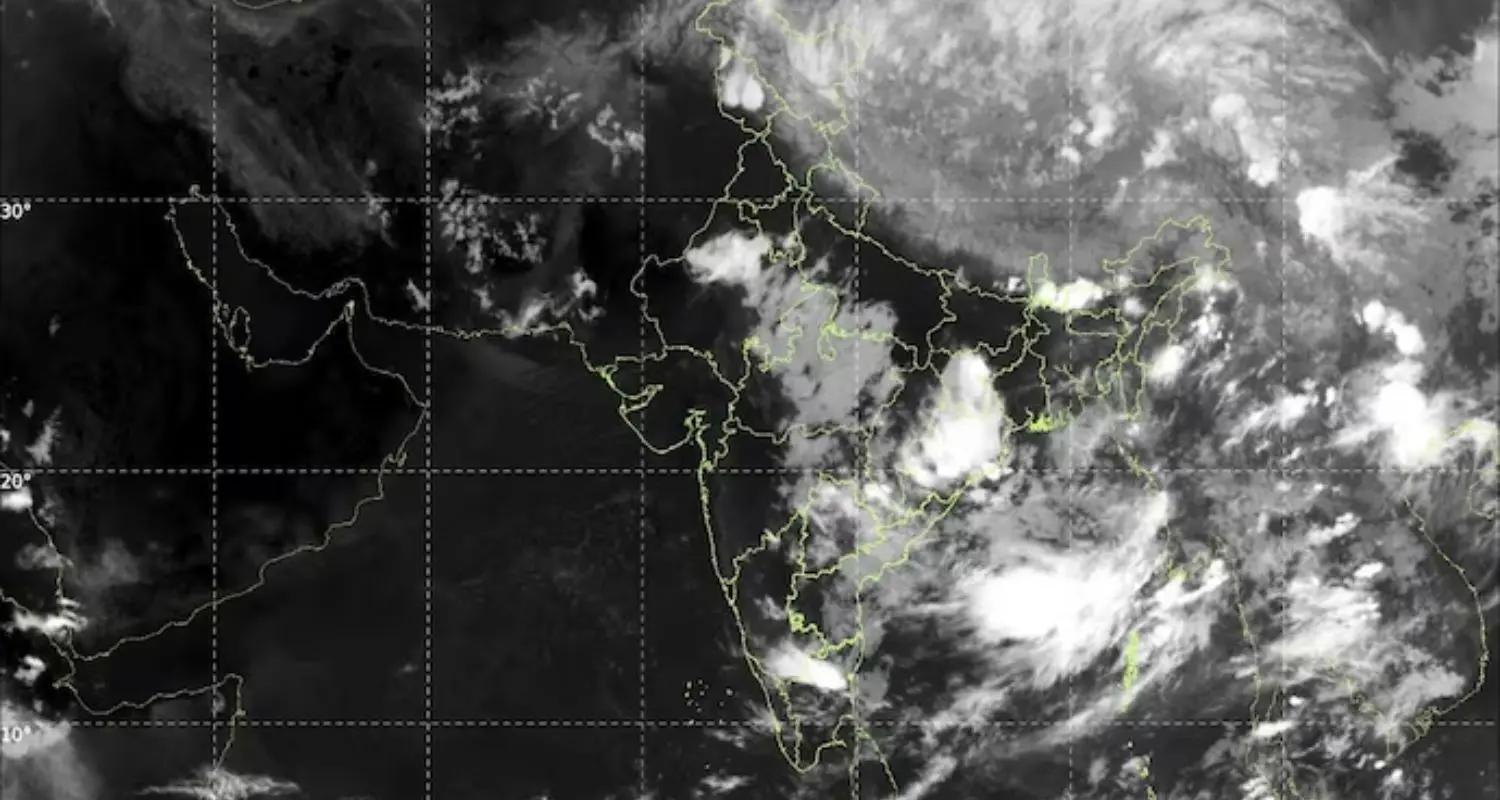
Chandigarh, June 25: The northwest plains are experiencing one of the driest June periods in over a century of recorded observation, with key agricultural zones waiting for the delayed arrival of the southwest monsoon. Data tracking the progress of the season shows a massive national precipitation deficit of 46 percent, leaving states like Punjab and Haryana to grapple with prolonged high temperatures ranging from 39°C to over 41°C. The delayed onset, which originated from a sluggish start over the coast of Kerala on June 4, has restricted moisture transportation inland, stalling the crucial Arabian Sea branch of the system.
The extreme delay has forced state bodies to consider immediate contingency measures to conserve groundwater assets, as regional aquifers continue to deplete at an estimated rate of 29 mm annually. Policy experts explained that accelerating canal water distribution and enforcing strict electricity regulations for tube wells are vital step-gaps to sustain standing livestock and fodder fields.
“The thunderstorm activity being witnessed over Chandigarh, Punjab and Haryana is pre-monsoon in nature and should not be confused with monsoon onset,” a senior meteorologist stated, advising residents not to misinterpret brief evening showers for the actual arrival of the seasonal rains. “The southwest monsoon’s advance slowed considerably during the past two weeks because of unfavourable large-scale atmospheric conditions.”
The underlying structural causes reordered the focus toward global oceanic anomalies, specifically neutral conditions in the Indian Ocean Dipole that have failed to counter an strengthening El Niño pattern. This Pacific warming has compromised the Walker Circulation, which normally guides monsoon currents toward the subcontinent, while a simultaneous drop in low-pressure system formations in the Bay of Bengal has left the Indo-Gangetic Plain devoid of cloud-building moisture.
“We have been observing excess moisture being added to the monsoon rainfall since 2000 and this accumulated moisture will be causing rainfall somewhere,” IMD Director General Dr. Mrutyunjay Mohapatra asserted, pointing to long-range data adjustments under climate change.
The state capitals and surrounding urban clusters like Mohali and Panchkula continue to manage high thermal footprints while waiting for the definitive shift toward sustained westerly winds. Forecasters maintained that despite the current dry spell extending into the coming weekend, a widespread and stable wet spell associated with the genuine monsoon is expected to establish a footprint across the territory by the turn of the month.
