
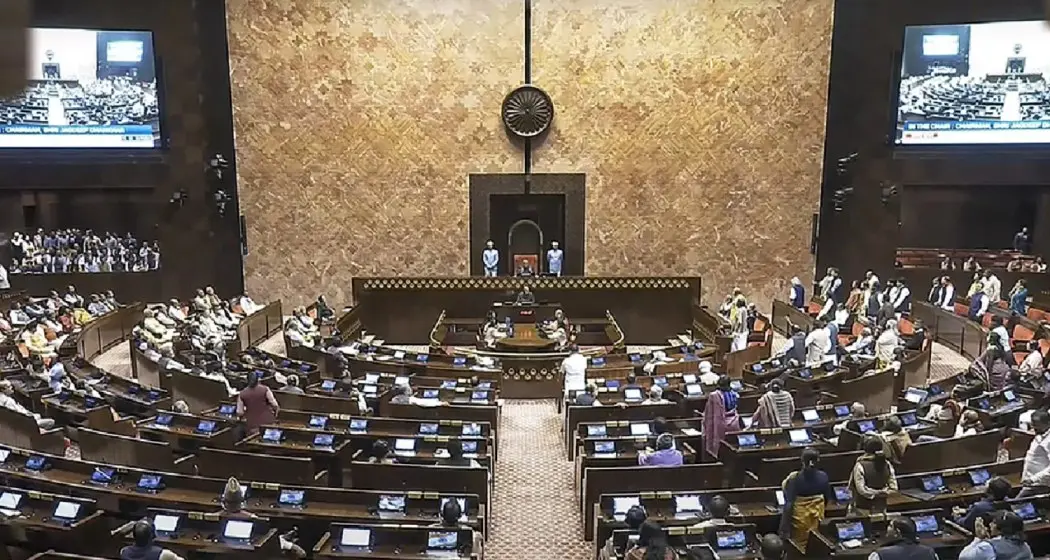
New Delhi, June 14: A fresh wave of parliamentary resignations and changing political alignments has repositioned the governing coalition within striking distance of a two-thirds majority in the Rajya Sabha. The legislative shifts come at a time when the ruling bloc is looking to secure the necessary parliamentary strength to pass fundamental legal reforms without external negotiation. While the alliance continues to work toward a parallel majority in the Lower House, its steady gains in the Upper House are being actively accelerated by deep institutional divisions inside the primary opposition in West Bengal.
The ruling alliance is currently anchored by 148 members in the chamber, with upcoming contests in Jharkhand and Mizoram expected to yield three additional seats for the treasury benches. The ongoing internal crisis within the Trinamool Congress has already resulted in three of its parliamentary representatives vacating their seats, creating an immediate opening for the governing coalition to capture those vacant West Bengal positions in the upcoming by-elections. Administrative coordinators stated that these immediate gains will likely push the coalition’s total strength to 154 seats, narrowing the gap to the two-thirds threshold to under ten votes.
Party insiders declared that the final tally could shift even higher if the current wave of opposition resignations continues to expand in the coming weeks, potentially lifting the alliance’s baseline to 163 members. Such a development would effectively insulate the government’s legislative agenda from opposition resistance regarding major policy votes. However, regional shifts continue to influence the long-term outlook. Representatives noted that the scheduled retirement of 10 Rajya Sabha members from Uttar Pradesh toward the end of the year will trigger fresh assembly-driven elections, a process that could see the Samajwadi Party claw back crucial legislative territory and alter the final math once again.
