
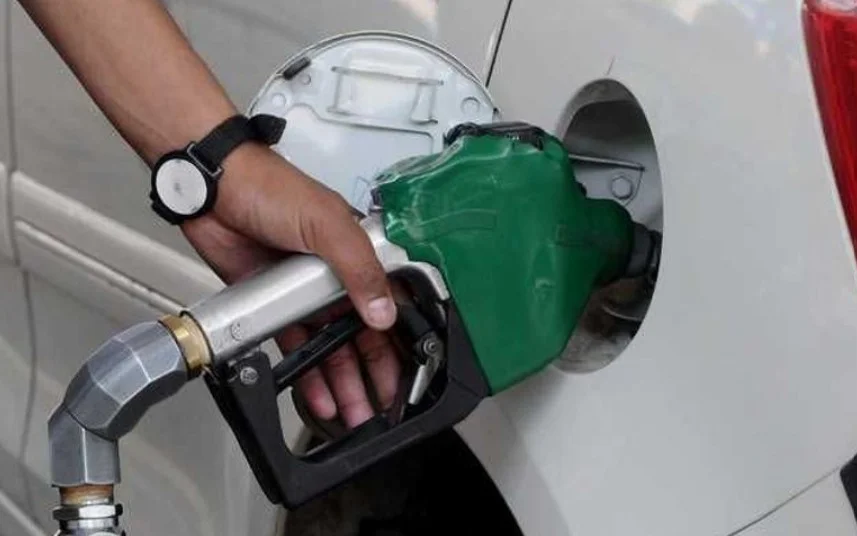
New Delhi, June 12: The Union Government has updated the operational guidelines for retail fuel stations to manage domestic energy distribution effectively during current geopolitical variations affecting global shipping. The new policy mandates that retail diesel distribution will be restricted to vehicle fuel tanks or approved security containers, with an upper limit of 200 litres per vehicle daily.
The administrative order aims to streamline supply lines by directing large-scale institutional, industrial, and commercial users to source their petroleum products through independent consumer distribution systems. Ministry officials declared that the step was necessary after commercial transport fleets, telecom operators, and manufacturing units shifted their sourcing to retail pumps, creating unprecedented demand spikes in specific regional pockets.
The structural shift developed as state-run oil marketing companies successfully insulated regular consumers from sudden energy cost increases following global developments earlier this year. The resulting price structure created a substantial margin between retail pump rates and commercial bulk rates, driving significant consumer volume toward public sector stations over private retail alternatives.
Fuel Sales Growth and Pricing Structures
| Category | Retail Pump Metrics | Bulk Supply Metrics |
| Delhi Diesel Pricing | Rs 95.20 per litre | Rs 134.50 per litre |
| May Petrol Sales Growth | 4.8 per cent increase | Managed via dedicated commercial channels |
| May Diesel Sales Growth | 6.4 per cent increase | Sourced through consumer pumps |
| Policy Duration | Up to 90 days initially | Subject to formal administrative review |
The Ministry of Petroleum and Natural Gas affirmed that the temporary guidelines are intended to promote equitable product availability and prevent any potential local inventory imbalances. State governments and Union Territory administrations have been requested to implement supportive measures to discourage speculative hoarding or the unauthorized redirection of retail fuel supplies.
The legal framework provides clear mechanisms for enforcement while maintaining room for essential economic activities. The Union Government maintained that authorized fuel retailers hold the mandate to verify compliance at the pump, while also reserving the right to issue specific exemptions for specialized industries or essential regional transactions as required.
