
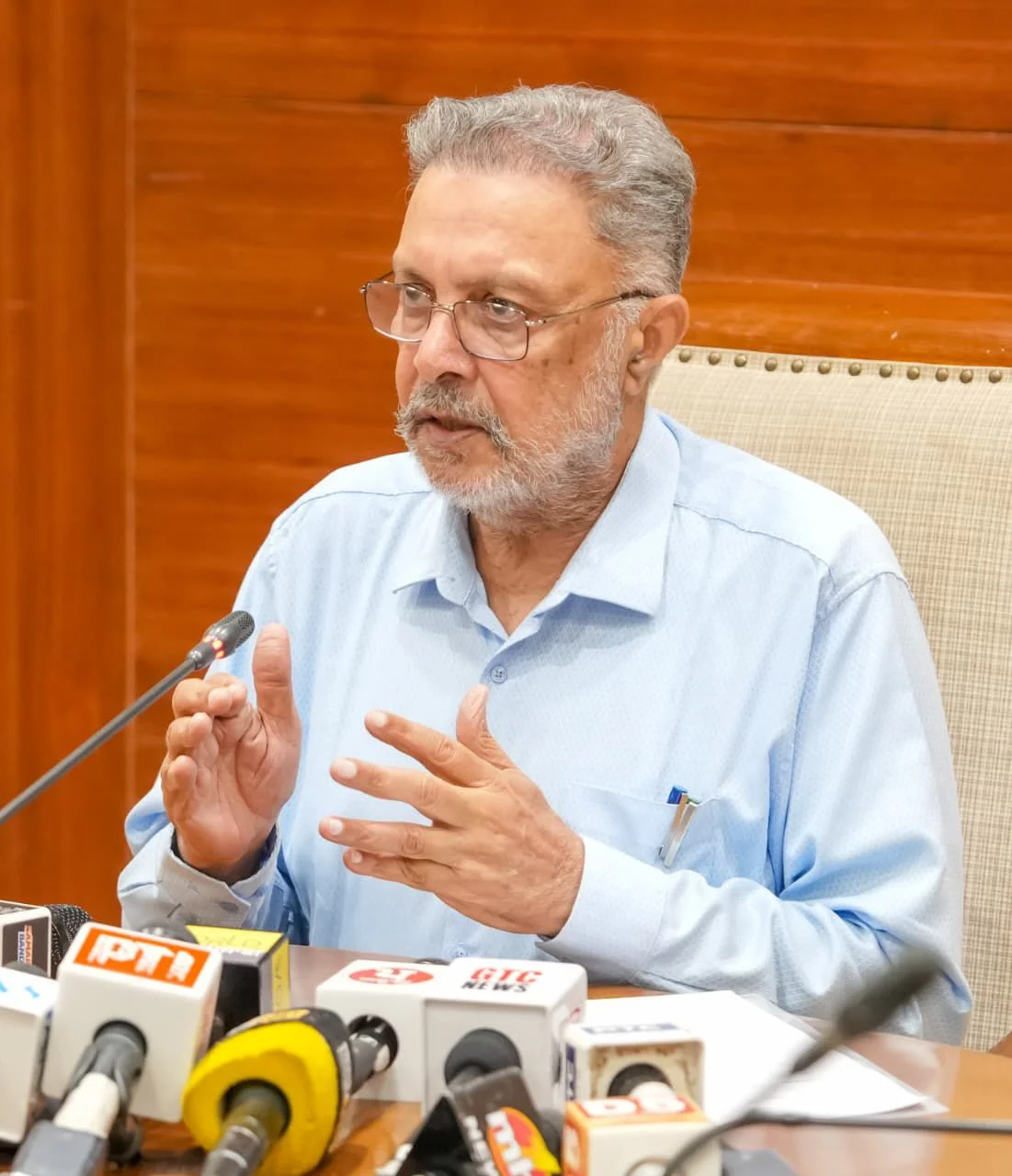
CHANDIGARH, JUNE 14 — — Pre-existing illnesses are receiving immediate coverage from day one under Punjab’s Mukh Mantri Sehat Yojana, bypassing the multi-year waiting times commonly enforced by private insurance firms. The state-funded program has successfully funded 3,65,340 medical procedures worth ₹632.50 crore, directly aiding 2,26,822 patients during its initial five months of operation.
The automated system functions without annual premium charges, offering an identical tier of medical benefits to every registered participant regardless of age. Health officials reported that nearly 22 lakh families have joined the network, with total card registrations now exceeding 46.21 lakh across the state.
“One of the biggest differences between private insurance and Mukh Mantri Sehat Yojana is the absence of premium payments,” Dr Balbir Singh noted. “While private health insurance policies often require annual premium payments running into thousands of rupees and increasing with age, beneficiaries under Mukh Mantri Sehat Yojana receive healthcare coverage free of cost.”
Senior citizens stand out as major beneficiaries of this setup, avoiding the high age-linked premiums and restrictive clauses typically found in commercial contracts. Patients can choose from a selection of 850 empanelled government and private hospitals to receive specialized treatments.
The program spans more than 2,300 distinct treatment packages, covering advanced procedures for heart disease, intensive care, and oncology. Dr Balbir Singh stated that the system delivers a paperless and entirely cashless treatment process, allowing families to navigate admissions with minimal administrative delays.
The administration expressed that healthcare access should remain independent of a family’s financial standing. While private insurance models tend to concentrate coverage within wealthier urban households, this state network remains universally accessible to all registered families.
Dr Balbir Singh affirmed that the strong public response reflects a critical need for universal health protection. He declared that the administration will continue to expand the program’s reach to protect citizens from sudden medical debts and strengthen healthcare delivery throughout the region.
