
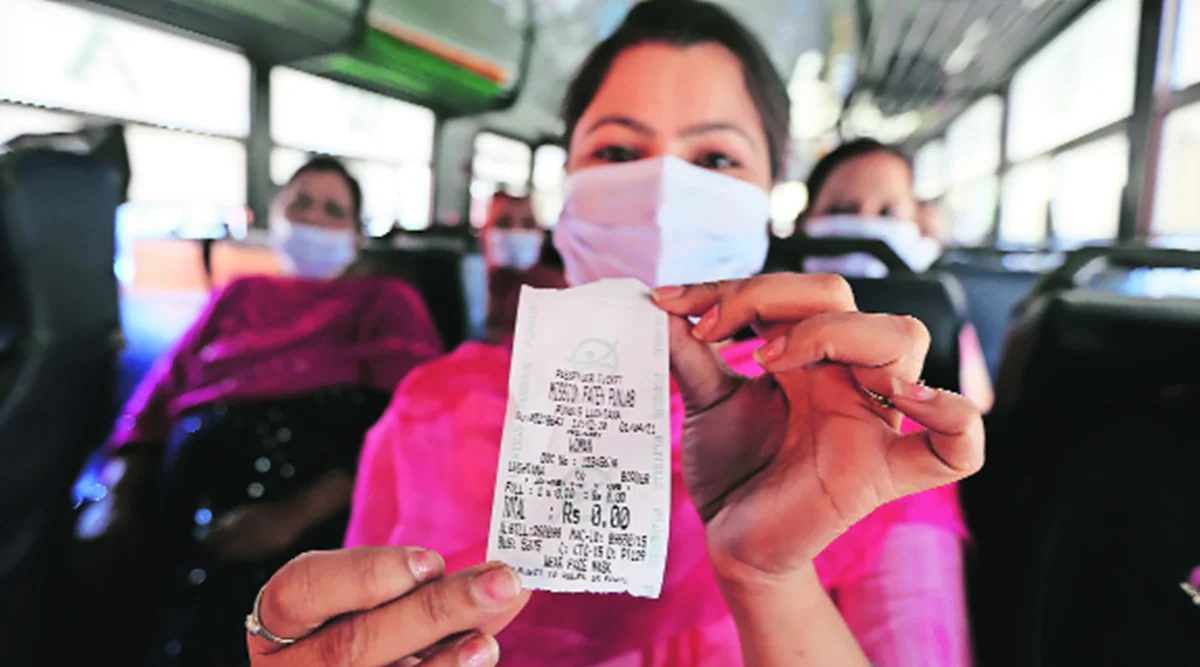
A progressive state’s true development is deeply tied to how freely and safely its women can navigate public spaces to pursue their aspirations, education, and livelihoods. For decades, the simple cost of daily commuting acted as a silent, restrictive barrier for countless women across both rural and urban sectors, often forcing families to prioritize male mobility over female advancement when household budgets were tight.
The strategic implementation of fare-free public bus transit for women across Punjab represents a highly transformative social intervention that challenges these historical limitations. By removing financial barriers from public transportation, the state has initiated a profound shift in gender dynamics, transitioning independent mobility from a managed household expense into an absolute and unconditional citizen entitlement.
The substantial fiscal commitment of over 2,042 crore rupees systematically funneled into state transport corporations demonstrates a structured, long-term vision for social equity.
This consistent financial backing ensures that the policy functions as a reliable economic catalyst rather than a temporary welfare measure. For a working woman or a daily wage earner, the immediate savings generated from zero-cost daily commutes translate directly into enhanced disposable income for the household, allowing mothers to redirect those funds toward better family nutrition, healthcare, or personal savings.
Furthermore, for young female students residing in distant villages, the removal of fare barriers opens up unprecedented access to higher education centers and vocational training hubs that were previously deemed financially out of reach, effectively dismantling the geographical boundaries that limit female talent.
Beyond the immediate economic relief, the universal nature of this transit policy fosters an enduring sense of safety, dignity, and belonging within the public sphere.
When public buses become spaces filled with commuting women, students, and professionals, it naturally builds a more secure and inclusive environment that encourages higher female participation in public life.
This structural ease of movement has also been observed to positively influence preventative healthcare habits, as women can now travel to regional civil hospitals for routine checkups without hesitation over transit costs.
By utilizing modern electronic tracking to align fleet operations with this soaring public demand, the administration has successfully established an equitable model of governance where the empowerment of women is recognized as the foundational pillar for a stronger, more prosperous society.
Read More: LIGHTING THE PATH TO SOCIAL SECURITY: THE PROGRESSIVE ECONOMICS OF UNIVERSAL DOMESTIC POWER RELIEF
