
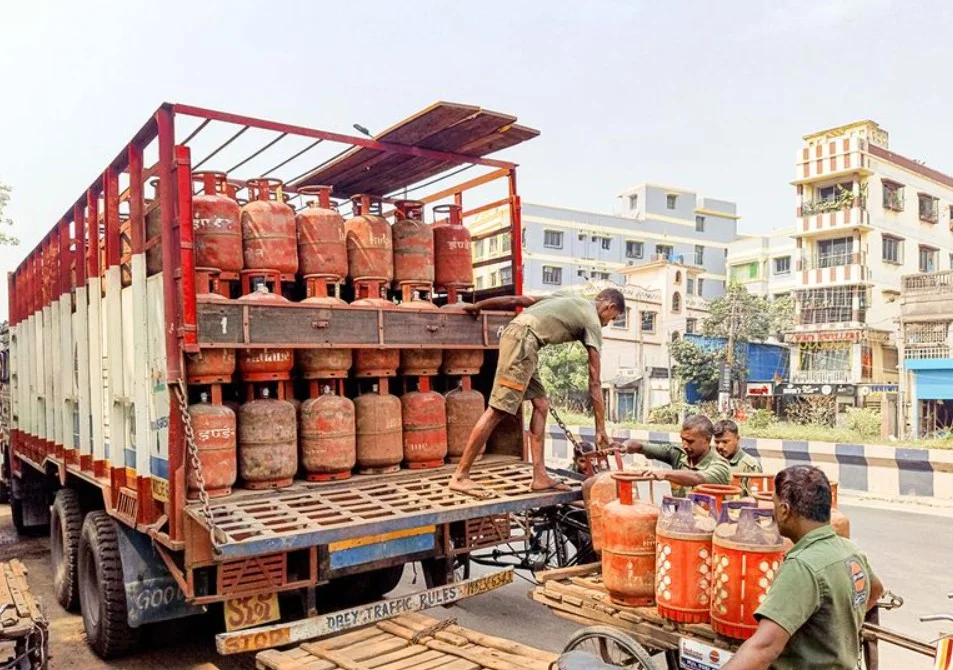
NEW DELHI, June 1 — Commercial entities using large-format cooking gas will face higher operating costs this month, following a government-mandated ₹42 price increase for 19-kilogram LPG cylinders.
The adjusted energy rates, which took effect on June 1, pushed the cost of a commercial cylinder to ₹3,113.50 in Delhi and to ₹3,255.50 in Kolkata. The price adjustment also touched 5-kilogram Free Trade LPG units, pushing them to ₹821.50 in the capital city, though petroleum officials confirmed that household consumer gas supplies were excluded from the price changes.
The price adjustments follow a strategic decision by the Ministry of Petroleum and Natural Gas to mandate that all oil marketing firms maintain a minimum 30-day supply of cooking gas to buffer against global supply shocks.
“We have sufficient stock of petrol, diesel and LPG, natural gas and fuel inventories are tied up,” Joint Secretary Sujata Sharma affirmed during a policy briefing. “All our refineries are operating at optimum level and LPG production is all time high, almost 90 DMT per day.”
Sharma asserted that the country is not experiencing any fundamental shortages of fuel products. She did, however, clarify that uneven retail buying patterns have emerged in multiple regions, where sudden spikes in bulk purchasing and intense agricultural demands have altered traditional sales curves.
The uneven purchasing trends have prompted a sharp spike in national fuel shipments, which grew by over 30 percent as a whole. The ministry noted that while a handful of districts experienced petrol sales increases exceeding 100 percent, a six-district cluster recorded an immediate 38 percent reduction in overall fuel allocations from marketing companies.
In response to the irregular purchasing spikes, federal task forces have escalated field inspections to deter illegal fuel storage and black-market product diversions.
“In the last four days, there have been 6,500 raids on LPG. Five FIRs have been registered and two people have been arrested,” Sharma declared, noting that inspectors also seized thousands of liters of black-market diesel and petrol during separate retail inspections over the weekend.
Current refinery tracking data shows that domestic production accounts for up to 52,000 metric tonnes of the country’s 72,000 metric tonne daily LPG demand. The remaining deficit is managed through steady energy imports, which officials noted have helped lower the ongoing national LPG fulfillment backlog down to 4.5 days.
