
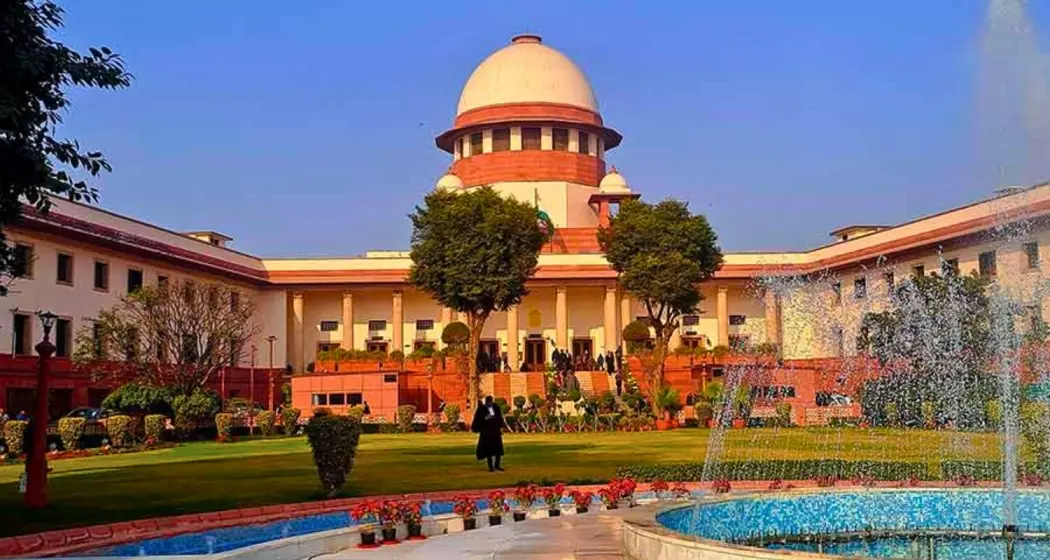
NEW DELHI: Clarifying that prolonged tenures cannot supersede statutory provisions, the Supreme Court declared that Bar Council of India (BCI) chairman Manan Kumar Mishra functions as a pro tem chief managing routine affairs until new elections take place, rejecting claims of an arrangement stretching to 2030. The observation was made by a bench led by Chief Justice of India Surya Kant during a hearing concerning election delays and tenure challenges involving state bar councils and the BCI apex leadership.
Addressing the apex court, petitioner counsel asserted that a January 2025 resolution had purported to extend the chairman’s tenure to five years, even though the BCI rules mandate a two-year limit. Justice Joymalya Bagchi noted that the interim arrangement under Section 4(3) of the Advocates Act exists strictly for transitional purposes and cannot be equated with a democratically elected term. To ensure proper checks and balances, the court mandated that the Attorney General for India and the Solicitor General participate in all major policy decisions.
To restore the statutory electoral framework, the bench established a strict timeline for the completion of state bar council procedures, directing High Court Chief Justices to finalize female member co-options so newly formed state bodies can elect their BCI representatives. Senior advocates representing the BCI affirmed that the council would comply with the requirement of involving top law officers in every policy decision. The Supreme Court will review compliance progress later this month.
