
CHANDIGARH, JUNE 3 — Systemic educational reforms under the state administration resulted in 59 government school students qualifying the rigorous JEE Advanced 2026 examination.
The current placement figures indicate a sharp upward trajectory from 2025, when 44 government school pupils cleared the engineering entrance test. Education department records show a diverse geographic spread of success across the state, with Fatehgarh Sahib yielding five qualifiers, Amritsar and Jalandhar securing four each, Bathinda and Gurdaspur reporting three each, Fazilka registering two, and Rupnagar and Hoshiarpur adding one student each to the list.
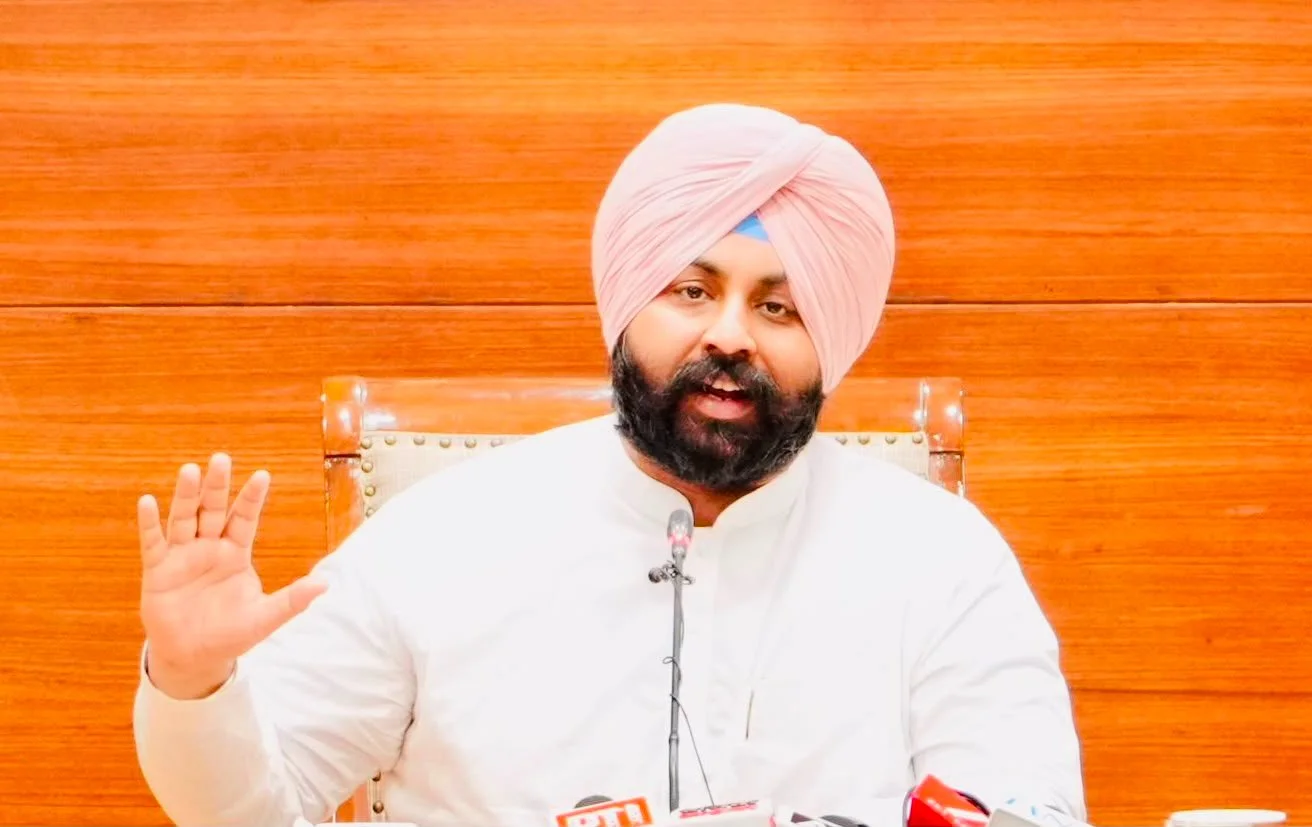
Education Minister Harjot Singh Bains maintained that the results successfully challenge long-standing assumptions about access to premier technical institutes.
“This result dismantles the myth that IIT success is reserved for elite private coaching hubs,” Bains asserted. “Through Punjab Sikhya Kranti’s targeted interventions and merit-based mentoring, our government schools are now producing top-tier engineering talent at scale. Every child in Punjab, regardless of background, can dream big and crack the country’s toughest exams.”
The government program subsidizes high-level coaching and provides infrastructure upgrades alongside dedicated mentorship for both engineering and medical entrance tests. These resources directly helped students from households facing strict budgetary constraints.
Prabhjot Singh, a student at the School of Eminence Mullanpur in SAS Nagar, managed to qualify while navigating financial limitations. His father works as a laborer and his mother manages their home, meaning the family relied heavily on the academic provisions and direct encouragement from the school principal and faculty.
The personal narratives of the qualifiers underscore how access to learning materials can shift individual trajectories. Priya Bhardwaj of Hoshiarpur persevered through substantial hardship after the passing of her father. Supported by a single mother earning 1.44 lakh rupees annually, Bhardwaj used the state mentoring infrastructure to clear the examination and honor her late father’s wishes.
State officials added that the performance metrics address earlier skepticism regarding the public coaching modules. Bains countered prior political criticism by pointing directly to the steady institutional progress.
“Behind every successful student lies a story of determination, sacrifice and aspiration,” Bains stated, adding that the achievements serve as clear evidence of how educational opportunities can transform lives.
The district breakdown positioned Patiala at the top with 11 successful students. Sangrur followed with seven qualifiers, while Ludhiana, Ferozepur, and SAS Nagar each contributed six successful candidates to the total state tally.
