
WASHINGTON, MAY 28 — A sequence of overnight military engagements in the Persian Gulf has placed additional strain on the conditional truce between the United States and Iran, even as the White House insists that a final diplomatic agreement remains within reach.
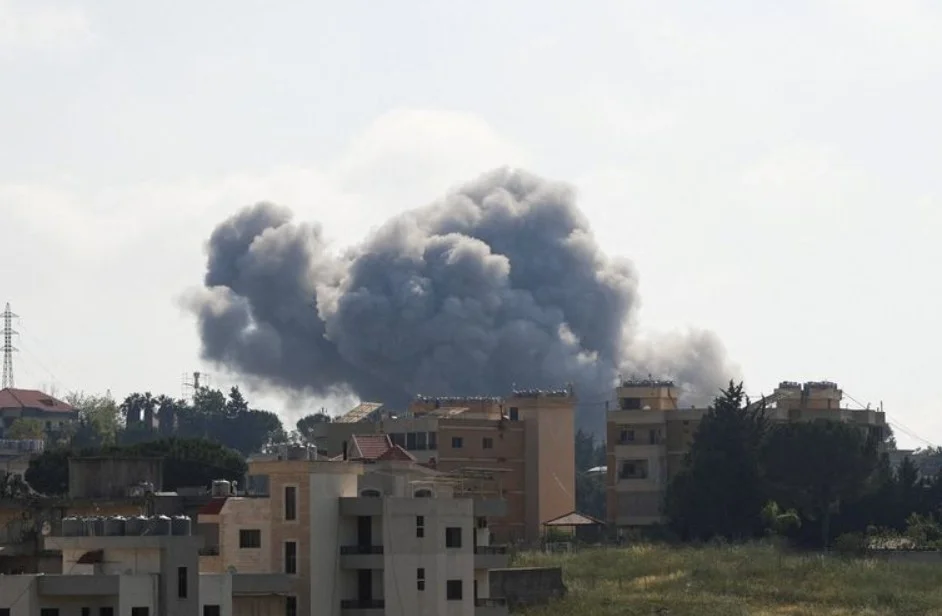
According to statements from U.S. officials, American forces intercepted four Iranian kamikaze drones that posed an immediate threat to international merchant vessels and military personnel in the Strait of Hormuz. Following the mid-air intercepts, a pre-emptive strike was authorized against a drone command facility in Bandar Abbas, neutralizing the site before additional aircraft could be deployed.
The White House rejected a draft memorandum of understanding circulated by Iranian state media on Wednesday, which claimed the two nations had already agreed to a phased withdrawal of U.S. naval forces and a joint security framework with Oman. Administration officials labeled the report a complete fabrication, noting that negotiations have slowed considerably due to disagreements over the verified destruction of Iran’s nuclear material.
During a media briefing, Secretary of State Marco Rubio noted that specific language regarding the disposal of enriched uranium stockpiles remains a primary obstacle to completing the treaty. The diplomatic gridlock is mirrored by political divisions domestically, with some congressional Republicans expressing skepticism that a deal will permanently restrict Tehran’s regional influence.
Trump rejected assertions that the upcoming November midterm elections are influencing the pace or substance of his diplomatic strategy, stating that he will not accept an incomplete arrangement simply to meet a political deadline.
“The enriched uranium will either be immediately turned over to the United States to be brought home and destroyed or, preferably, in conjunction and coordination with the Islamic Republic of Iran, destroyed in place,” Trump stated via social media earlier in the week, outlining a core demand of the American negotiating team.
The strategic stakes remain high along the world’s most critical energy transit corridor. Military analysts stated that the targeted facility at Bandar Abbas serves as a primary hub for Iran’s naval and coastal operations. Experts warned that if a formal treaty fails to address financial pipelines to external militant organizations, regional stabilization efforts will remain vulnerable to sudden disruption.
