
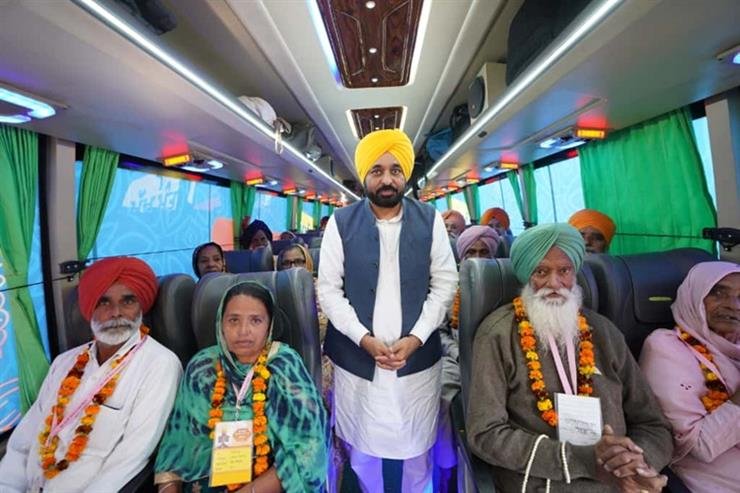
A society’s spiritual and cultural fabric is fundamentally strengthened when every citizen, regardless of their economic standing, is given the opportunity to connect with their heritage and seek blessings at sacred spaces. For generations, an unfulfilled longing lingered among millions of senior citizens across the state, who spent their entire working lives fulfilling domestic responsibilities, only to find that financial constraints or logistical barriers prevented them from visiting the country’s most revered spiritual landmarks.
The thoughtful implementation of the Mukh Mantri Tirath Yatra Scheme directly addresses this silent aspiration. By designing a completely fully subsidized, state-funded pilgrimage infrastructure, the administration has initiated a beautiful cultural renaissance, recognizing that access to spiritual solace and the preservation of faith should never be restricted by the contents of a citizen’s pocketbook.
The profound social significance of this universal framework rests on its absolute inclusivity and its deep, respectful understanding of elderly needs. Open to residents across all castes, religions, and income groups, the policy offers high-quality, air-conditioned transport via dedicated train and bus networks connecting communities directly to sacred hubs like Sri Harmandir Sahib, Sri Anandpur Sahib, the Durgiana Temple, and far-reaching historical destinations across the country.
By taking complete responsibility for every operational overhead—including premium AC accommodations, healthy meals, and dedicated on-board attendants—the state has successfully removed the overwhelming stress and physical vulnerability typically associated with long-distance travel for senior citizens. This structural dignity is further reinforced by deploying specialized medical teams on every journey, ensuring that the health and well-being of the elderly remain fully protected during their spiritual transit.
Furthermore, the legal and administrative validation of this welfare policy underscores its position as a valid, secular instrument for promoting broad social harmony. By establishing transparent, booth-level selection processes backed by secure verification metrics, the state has built an equitable delivery model that enjoys immense trust within local neighborhoods.
This collective experience of shared journeys among diverse groups creates an enduring bond of unity and communal brotherhood across rural and urban sectors alike. Ultimately, this pilgrimage initiative demonstrates that modern governance achieves its highest purpose when it looks past purely material considerations to enrich the emotional, cultural, and spiritual lives of its senior citizens, establishing a compassionate precedent where the lifelong dreams of the elderly are treated as a shared state priority.
Read More: SAFEGUARDING PUNJAB LIFELINES: THE PIONEERING PUBLIC SAFETY VISIONS OF THE SADAK SURAKHYA FORCE
